Trying to compare Lexington neighborhoods but not sure where to start? You’re not alone. Between school logistics, home styles, and day-to-day feel, each area offers a different experience. In this guide, you’ll see how Lexington’s core neighborhoods differ in schools, style, walkability, and commute options, with links to verify details as you plan. Let’s dive in.
How Lexington fits together
Lexington blends a compact, historic Town Center with a mosaic of residential pockets, from colonial-era streets to mid-century cul-de-sacs and newer luxury enclaves. You’ll find Revolutionary War landmarks clustered around the Battle Green in the heart of town, which gives the Center a distinct sense of place and history. To get a feel for the historic core and sites near the Green, explore the National Park Service’s Minute Man materials for context on landmarks and routes around town. You can start with the brochure overview published by the NPS.
Lexington is a high-cost market with wide variation in pricing by neighborhood and housing type. You’ll see a different price profile near the Town Center versus areas with larger lots or newer construction. Because pricing shifts with market conditions and home specifics, use current MLS data and on-the-ground guidance when you’re ready to zoom in.
Lexington has a single, town-wide public school district. Assignments are address-based and can change, so always confirm details directly with Lexington Public Schools. The district site also posts calendars, program information, and project updates.
Schools in plain terms
- District structure. Lexington Public Schools includes multiple elementary schools, two middle schools (Clarke and Diamond), and Lexington High School. You can find calendars, registration, and family resources on the district site at Lexington Public Schools.
- Address-based assignments. Attendance zones and placements are set by the district and may be updated. Before you make an offer or assume a school path, verify address-specific assignment with the district.
- LHS project context. The Lexington High School building project is moving through the MSBA process. Large projects like this can influence traffic patterns and activity near the site. For the latest status and timeline, review the town’s LHS project page.
Helpful links:
Getting around: walk, bike, bus, and car
Lexington’s mobility picture changes from block to block, so it helps to prioritize what matters to you most.
- Walkability. The Town Center is one of the most walkable parts of Lexington, with restaurants, cafes, and errands close together. See an example walkability snapshot for Downtown Lexington on Walk Score. Much of the town outside the Center is car-dependent; check the town-wide Walk Score page to compare neighborhoods and addresses.
- Bike to Alewife. The Minuteman Bikeway is a major local asset that runs from Bedford through Lexington and Arlington to Alewife Station on the Red Line. If you want a bike-plus-transit commute into Cambridge, a home near the Bikeway can make that feasible.
- Buses to Alewife and Hanscom corridors. MBTA bus routes serving Lexington, including the 62 and 76 corridors, provide connections to Alewife and to area employers. Schedules vary by route and day, so confirm current times; you can preview the Line 76 schedule on Moovit and then check MBTA before you go.
- Driving routes. Many residents use Route 2, Massachusetts Avenue, and nearby connections to I-95/Route 128 for regional commutes. For an overview of the Route 2A/Massachusetts Avenue corridor, this summary offers helpful context.
Links to explore:
Neighborhood snapshots
Use these high-level profiles to narrow your list. When you’re ready, compare specific addresses for walk scores, school assignment, and commute.
Lexington Town Center
- Character. The heart of Lexington forms a compact, walkable village around the Battle Green, with historic buildings, civic spaces, shops, and restaurants. Many cultural and historic sites are centered here, which gives you frequent community events and easy access to landmarks. For a quick primer on sites and routes, see the NPS Minute Man materials.
- Homes and streetscape. You’ll find a mix of historic single-family homes, colonials, and some condos/townhomes close to the Green. Inventory is tight and pricing is typically among the town’s higher ranges, especially for updated homes within a short stroll of dining and errands.
- Walkability and transit. This is one of Lexington’s most walkable areas, with frequent local bus stops and easy bike access to the Minuteman Bikeway.
- Best for you if. You want a classic New England village feel, a short walk to coffee and dinner, and front-row access to town life.
East Lexington
- Character. East Lexington blends residential pockets with active commercial stretches along Massachusetts Avenue. Some of the most walkable blocks outside the Center are here, with groceries and services nearby.
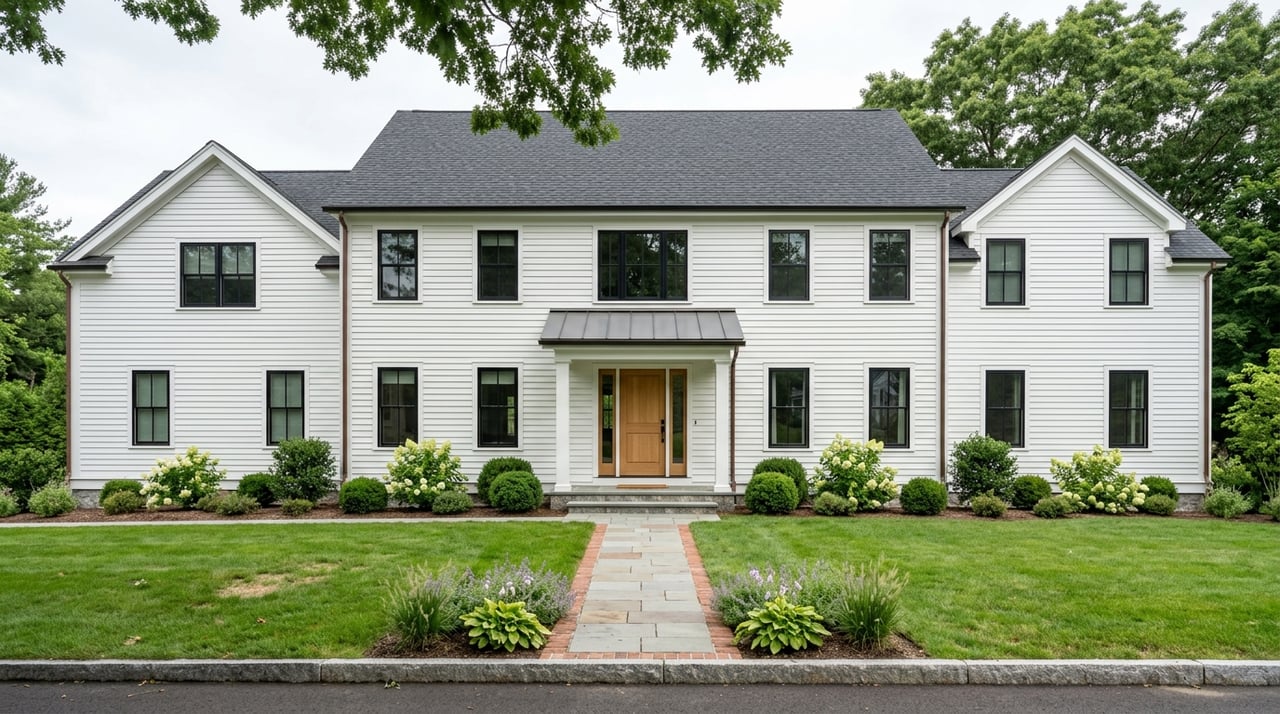
- Homes and streetscape. You’ll see a range of single-family homes from earlier eras to recent renovations, plus some townhomes. Pricing varies widely by street, size, and condition.
- Walkability and transit. East Lexington offers relatively strong walkability within the town context and direct bus connections toward Alewife and Hanscom via the 62/76 corridors. Many homes have practical access to the Minuteman Bikeway for bike-to-Red-Line commuting.
- Best for you if. You want a balance of neighborhood convenience, realistic transit and bike options, and a mix of housing styles.
North Lexington / Prospect Hill / Follen Heights
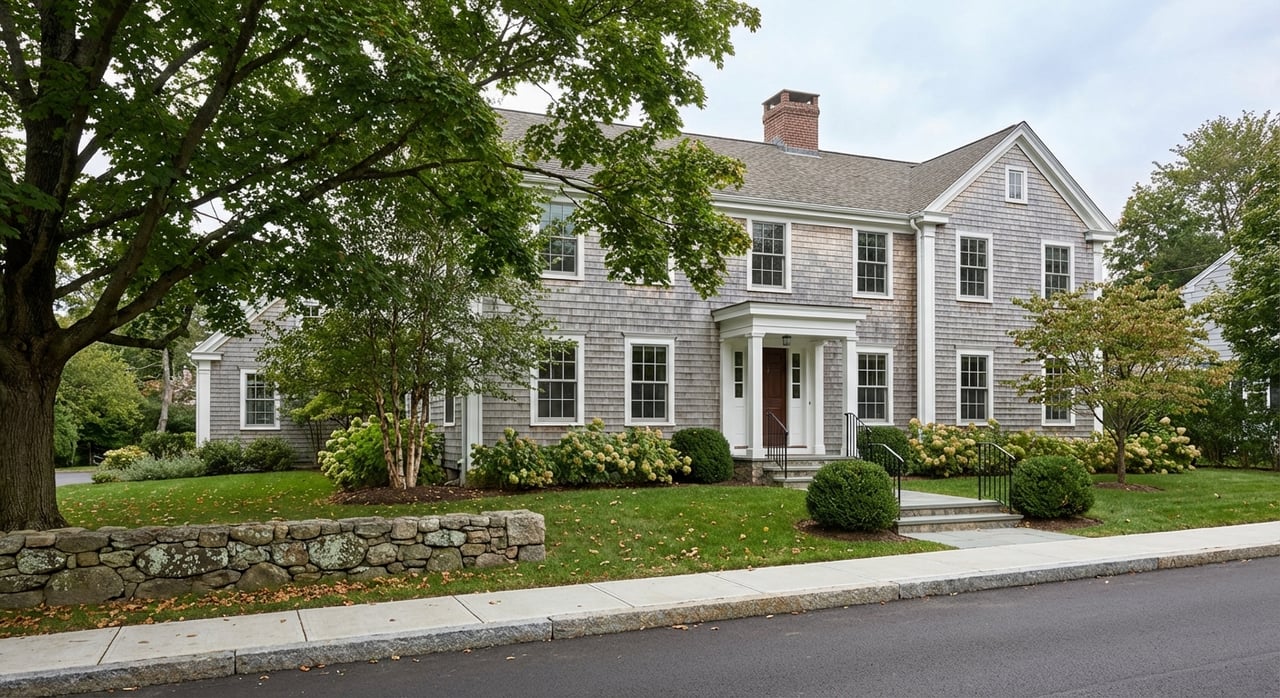
- Character. These established, leafy neighborhoods offer a traditional suburban feel with mature trees and quieter streets. Architectural eras vary, from older homes along legacy roads to 20th-century colonials and newer renovations.
- Homes and streetscape. Many lots are larger than town averages, and single-family homes are the norm. Expect pricing at the upper end for Lexington, especially on larger lots and updated homes.
- Walkability and transit. Daily errands typically require a short drive. Bus access varies by street, so check route proximity and schedules for your address.
- Best for you if. You’re seeking more space, quieter streets, and an established neighborhood setting.
Five Fields and west-side suburban pockets
- Character. Planned subdivisions and mid-century streets on the west side deliver a classic suburban experience with winding roads and ample yards.
- Homes and streetscape. Primarily single-family homes from mid-century through later 20th century, plus targeted renovations. Value depends on lot size, updates, and street location.
- Walkability and transit. Generally car-dependent, though biking connections to the Minuteman exist from some routes. Plan on short drives for most errands.
- Best for you if. You prioritize interior space and yard size over walk-to-everything convenience.
Countryside, Follen Heights, and luxury enclaves
- Character. Select pockets across Lexington feature larger estate lots, newer construction, and architect-designed homes. These areas are often cited among the town’s most expensive by listing price per neighborhood.
- Homes and streetscape. Expect privacy, curated landscaping, and high-end finishes. Inventory is limited and highly property-specific.
- Walkability and transit. Typically car-dependent. Buyers here accept driving for errands, schools, and commuting in exchange for space and privacy.
- Best for you if. You value larger lots, newer luxury construction, and a quiet residential setting.
Turning Mill and Pierce-Lockwood (Neighborhood Conservation Districts)
- Character. Turning Mill and Pierce-Lockwood are two neighborhoods that adopted Neighborhood Conservation District (NCD) status to guide exterior changes and preserve neighborhood scale and character. Turning Mill highlights mid-century homes from the 1950s–1960s, while Pierce-Lockwood includes earlier bungalows and colonial revival homes.
- Homes and streetscape. Expect distinctive architecture and community attention to compatible design. If you’re comparing renovation potential across town, these NCDs are a useful contrast to areas without similar guidelines.
- Why it matters. NCD guidelines can affect exterior alterations and additions. If you care about neighborhood character or want clarity on remodeling paths, review the town’s NCD overview and consult the specific district materials for current rules.
Helpful link:
Quick-match guide: align your priorities
Use this checklist to focus your search:
- Walkable daily life and village feel: Start with Lexington Town Center. Check an address’s walkability on Walk Score and confirm bus access nearby.
- Bike or bus to Alewife: East Lexington and homes close to the Minuteman Bikeway offer realistic bike-plus-Red-Line commutes. Explore the Bikeway route here.
- Larger yards and quieter streets: North Lexington, Prospect Hill, and parts of the west side typically offer more space and a traditional suburban feel.
- Luxury and privacy: Look for Countryside and similar enclaves with larger lots and newer, high-end construction.
- Mid-century style and thoughtful guidelines: Consider Turning Mill and Pierce-Lockwood for distinctive architecture within NCD frameworks.
Links to verify:
Tips for touring and comparing homes
- Verify school details early. Because assignments are address-based and can change, confirm any property’s current school path directly with Lexington Public Schools.
- Check walkability per address. Two streets in the same neighborhood can feel very different on foot. Use Walk Score to compare specific homes and cross-check with your daily routine (grocery, coffee, parks).
- Map your commute at rush hour. Test your preferred route on the Minuteman Bikeway or preview bus times for the 62/76 corridors. Then confirm current schedules on official channels before you rely on them daily.
- Consider project impacts. If you’re near Lexington High School, review the LHS MSBA project timeline and potential traffic or construction considerations.
- Review NCD guidance before you plan renovations. In Turning Mill and Pierce-Lockwood, consult the town’s NCD resources first to understand exterior change processes.
Ready to explore homes?
Finding the right fit in Lexington comes down to matching your priorities with the neighborhood’s strengths. Whether you want a walkable village lifestyle, a bike-to-Alewife routine, or a quiet lot with room to grow, there’s a pocket of town that aligns with your goals. If you’d like a focused, data-informed plan to compare homes and neighborhoods side by side, schedule a confidential consultation with Martha Sevigny.
FAQs
What makes Lexington Town Center unique compared to other areas?
- Town Center offers a compact, walkable core around the Battle Green with shops, dining, civic spaces, and close access to historic sites, which creates a village feel not found in more car-dependent neighborhoods.
How do school assignments work if I buy a home in Lexington?
- Lexington Public Schools assigns schools by address and may adjust zones over time; always verify a specific property’s assignment and registration steps directly with the district at https://www.lexingtonma.org.
Is biking to Alewife realistic from East Lexington?
- Many East Lexington addresses have practical access to the Minuteman Bikeway, which connects to Alewife on the Red Line; check your exact route on the Bikeway map and test the ride for timing.
Which neighborhoods tend to have larger lots and more privacy?
- North Lexington, Prospect Hill, and luxury enclaves like Countryside often feature larger lots and more separation between homes, though on-the-ground feel varies by street and property.
What should I know about remodeling in Turning Mill or Pierce-Lockwood?