Staging Strategies For Winchester’s Luxury Home Sellers
May 21, 2026
May 21, 2026
If you are selling a luxury home in Winchester, staging is not about making your property look trendy. It is about helping serious buyers feel confident the moment they walk in. In a market where well-positioned homes already move quickly, thoughtful staging can reduce hesitation, support stronger offers, and help your home feel truly move-in ready. Let’s dive in.
Winchester’s higher-end single-family market is already strong. Redfin reported that homes in Winchester sold in about 27 days in March 2026 and received 4 offers on average, while the Massachusetts Association of Realtors reported 0.7 months of single-family supply in December 2025, 38 cumulative days on market year to date, and 99.6% of original list price received year to date.
Those numbers tell you something important. Buyers are active, but that does not mean presentation stops mattering. In a premium market, staging works best as a tool to remove friction and help buyers connect emotionally to the home faster.
That idea is backed by national staging data. In NAR’s 2025 staging report, 83% of buyers’ agents said staging made it easier for buyers to picture a property as their future home, and 29% said staging increased offered value by 1% to 10%.
Luxury buyers in Winchester are usually not looking for flashy design choices. They are looking for a home that feels polished, well cared for, and easy to step into. Your goal is to make the space feel calm, spacious, and functional from the first photo through the final showing.
That is why the best staging strategy is often selective rather than excessive. You do not need to turn your home into a showroom. You need to highlight the rooms and details that shape buyer confidence.
Before you think about furniture, art, or styling, handle the essentials first. NAR’s 2025 staging report points to the same pre-listing priorities again and again: decluttering, depersonalizing, deep cleaning, minor repairs, carpet cleaning, paint touch-ups, and small updates where they create visible impact.
These basics matter because buyers notice unfinished details quickly. In a luxury home, even minor distractions can make buyers wonder what else they might be missing. A clean, edited, well-maintained home tends to feel more valuable and easier to trust.
If you are deciding where to spend your time and budget, focus on the rooms buyers care about most. In NAR’s 2025 survey, buyers’ agents said the most important rooms to stage were the living room, primary bedroom, and kitchen.
Sellers’ agents reported a similar pattern. They most often staged the living room, primary bedroom, dining room, and kitchen. Bonus spaces also matter, especially when a home includes an office or flexible room that needs a clear purpose.
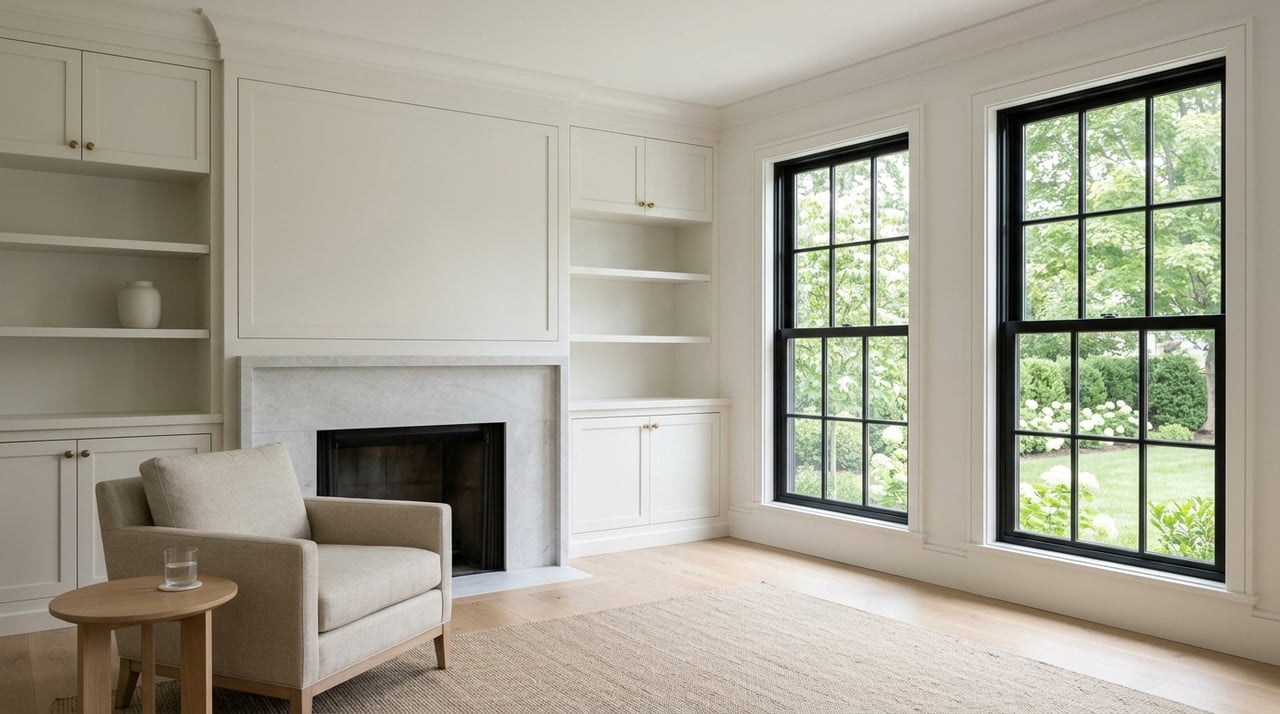
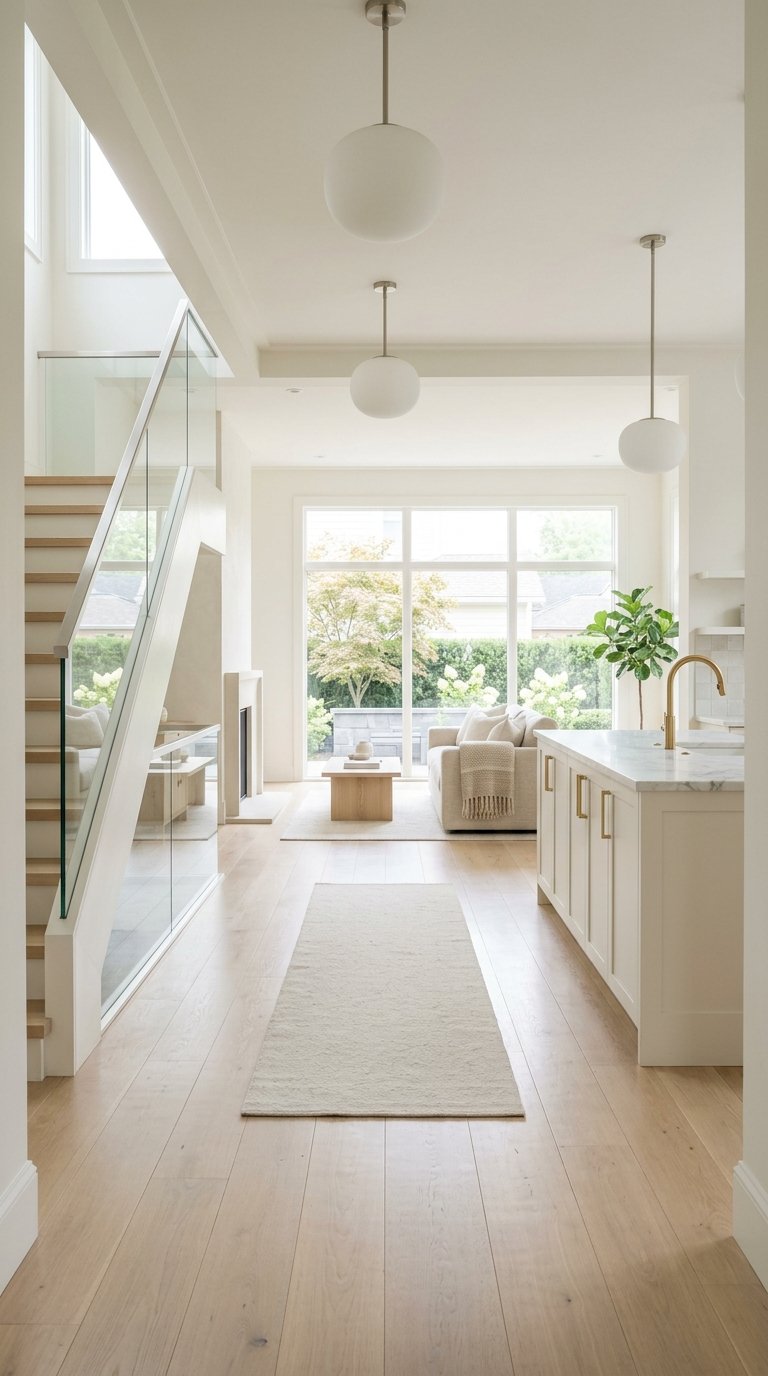
The living room was the top room for buyers’ agents, with 37% naming it the most important to stage. This space often sets the tone for the whole house. It should feel open, bright, and easy to navigate.
Use a layout that makes conversation and traffic flow feel natural. Remove oversized furniture that blocks sightlines, and keep styling simple so buyers notice the room itself rather than the decor.
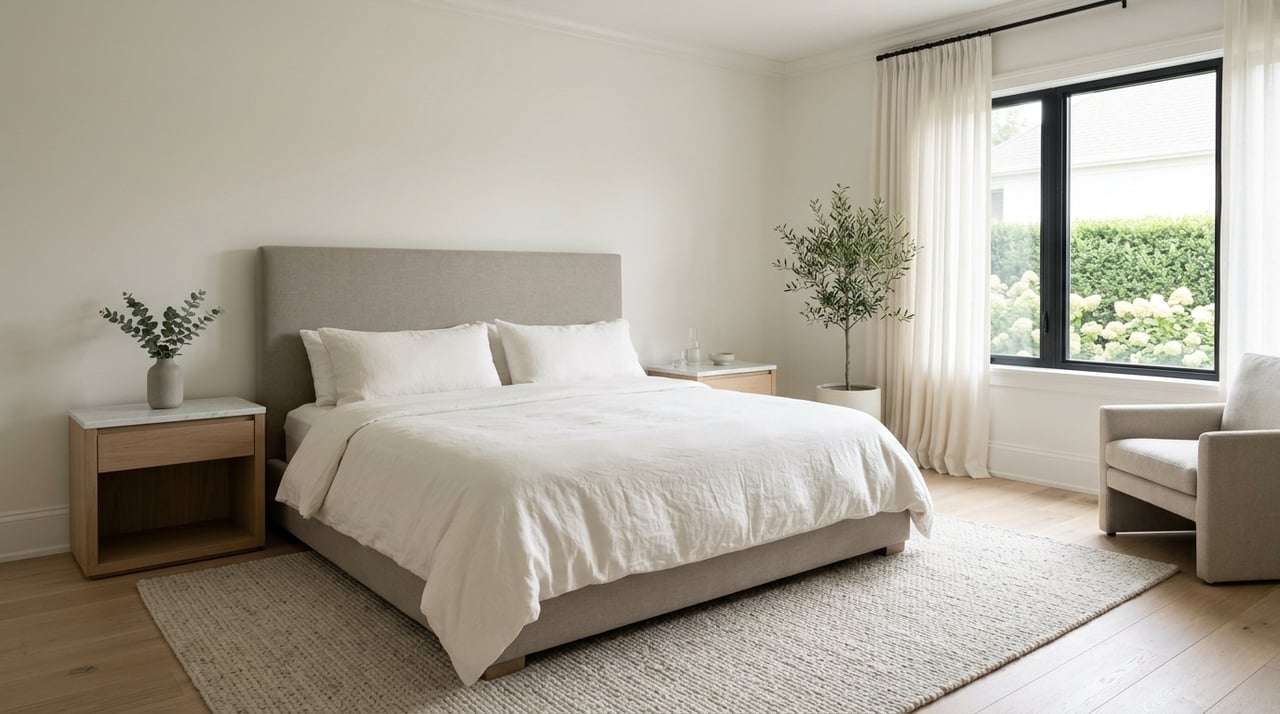
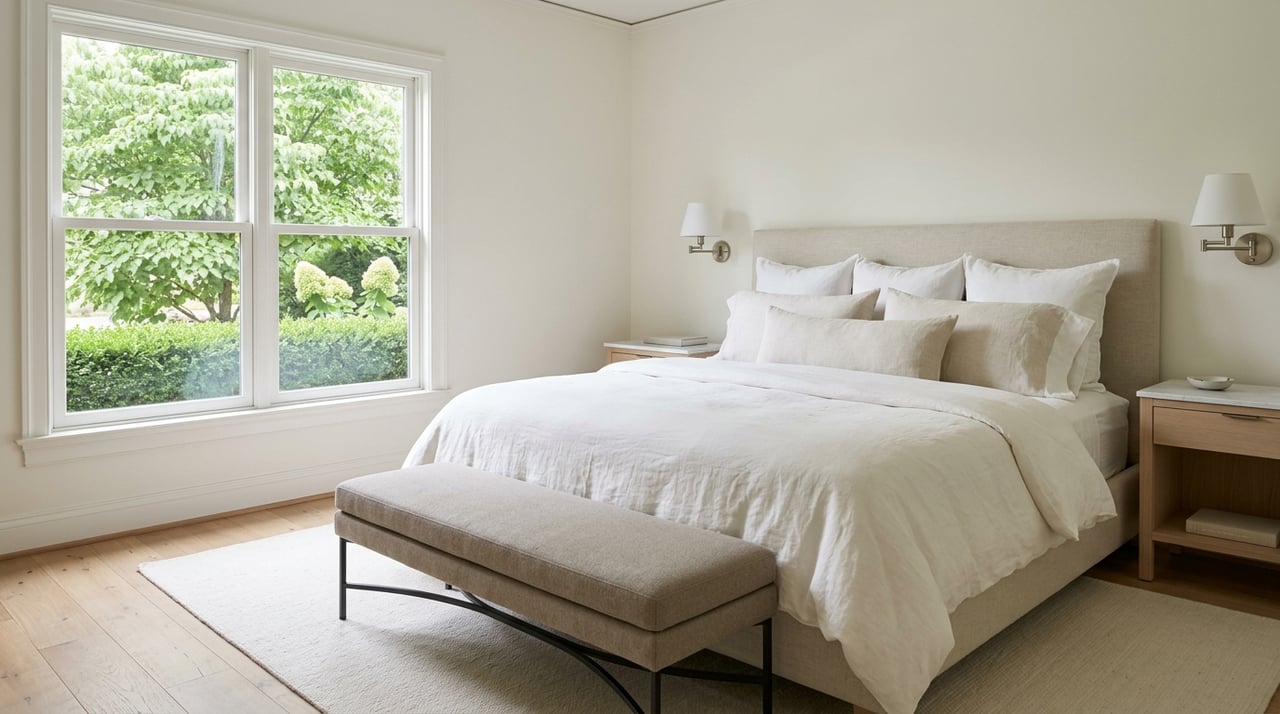
The primary bedroom ranked close behind, with 34% of buyers’ agents calling it the most important room to stage. Buyers want this space to feel restful and spacious.
Use clean bedding, limited accessories, and a layout that emphasizes scale. If the room has a sitting area or extra square footage, define it clearly so buyers understand how the space can be used.
The kitchen remains one of the most influential rooms in any sale. In NAR’s survey, 23% of buyers’ agents said it was the most important room to stage.
For a Winchester luxury home, kitchen staging should focus on cleanliness and restraint. Clear counters, remove small appliances, polish surfaces, and keep only a few intentional accents so the finishes and workspace stand out.
A dining room helps buyers understand how the home supports both daily living and entertaining. If your dining room is formal, keep the table styling minimal and balanced. If it is more casual, make sure the space still feels purposeful.
This is especially valuable in today’s market. NAR notes that bonus spaces like offices can have outsized influence when resources are limited.
In Winchester, where buyers may be comparing several high-end homes, a clearly staged office, library, or flex room can help your property feel more complete. Do not leave these rooms ambiguous if they can tell a stronger story with simple furniture and thoughtful styling.
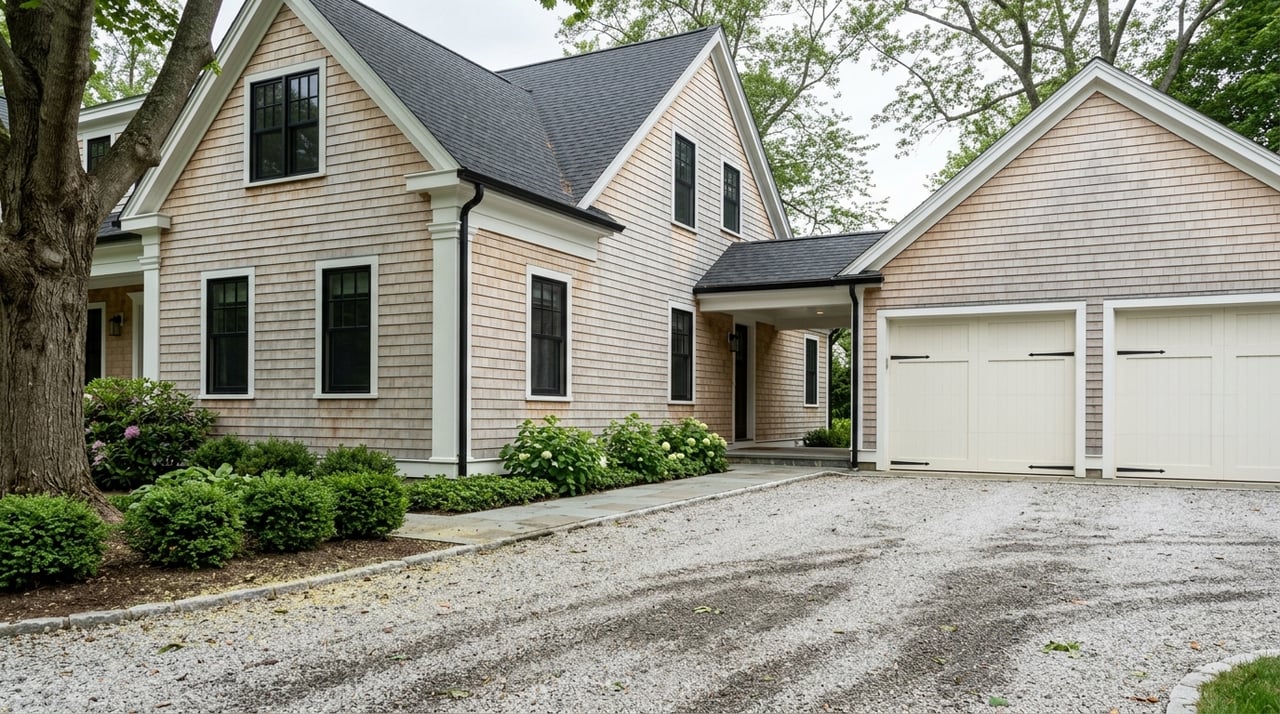
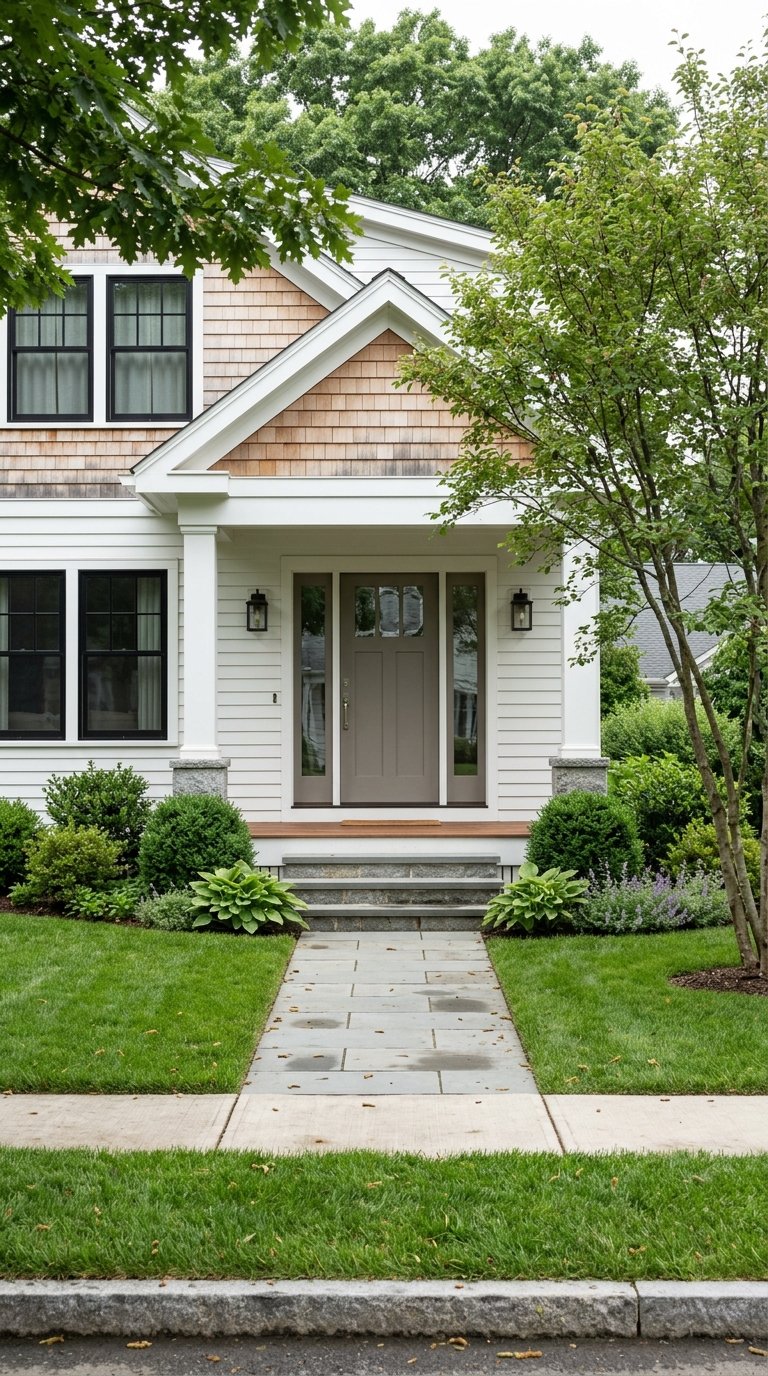
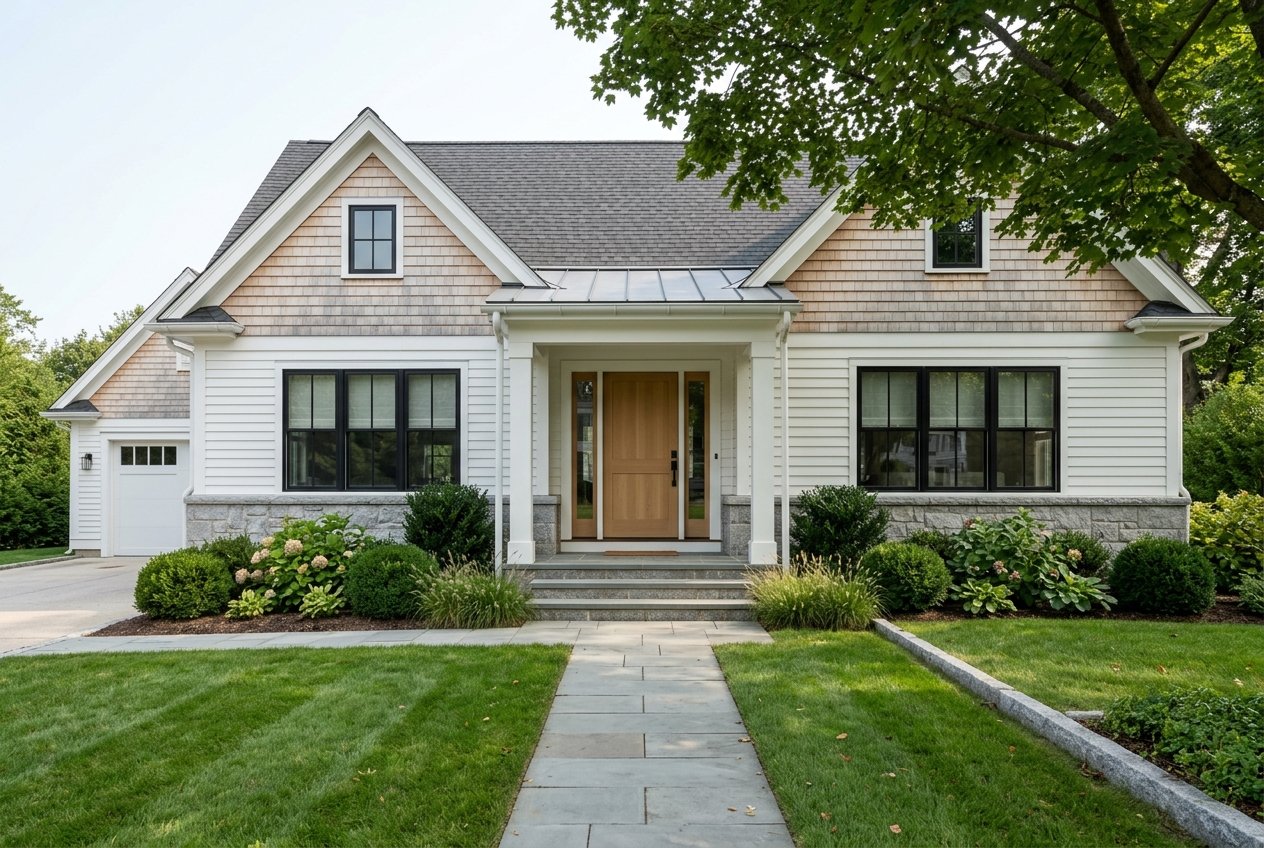
Buyers start forming opinions before they ever step inside. NAR defines curb appeal as how a home looks from the street, and its staging guidance shows that exterior presentation remains one of the most common seller recommendations.
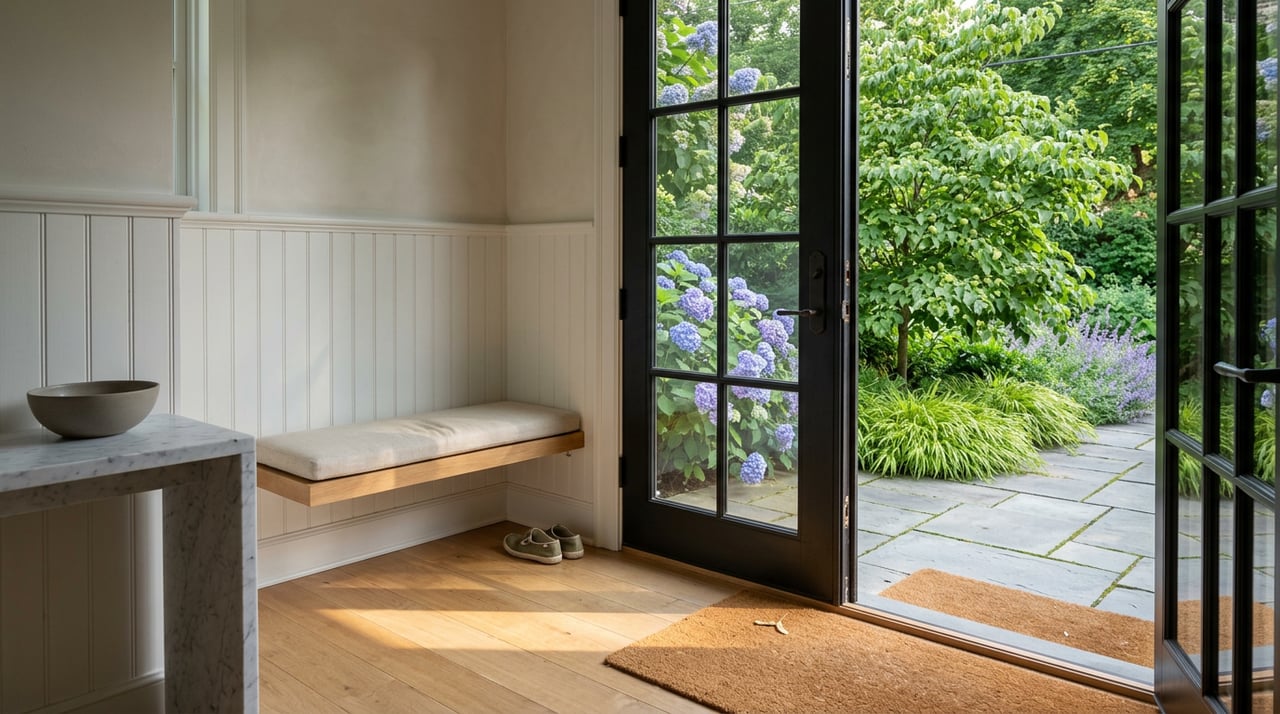
For Winchester luxury homes, the best return often comes from refining the entry sequence rather than taking on major landscaping work. A polished front approach can make the property feel more cared for and more valuable from the start.
NAR also notes that strong curb appeal can raise perceived value by as much as 7%. That makes exterior presentation an important part of your overall staging strategy, not just a finishing touch.
A common mistake is assuming luxury staging must mean a full-house furniture rental and a major spend. In reality, a more focused plan is often enough.
NAR reported a median spend of $1,500 when using a staging service and $500 when a seller’s agent personally staged the home. That does not mean every Winchester luxury listing will fall neatly into those numbers, but it does show that targeted staging can be effective without becoming a renovation project.
When the home is already attractive and well maintained, your best return usually comes from presentation. Broad renovations may not be necessary unless the property has a clear defect that buyers will struggle to overlook.
Your marketing should work as one connected system. NAR says marketing a home may include staging, professional photography, social media, signage, open houses, MLS exposure, and competitive pricing.
That order matters. In the 2025 staging survey, buyers’ agents rated photos as the most important marketing asset at 73%, ahead of physical staging at 57%, videos at 48%, and virtual tours at 43%.
The takeaway is simple: stage first, then photograph. If the home is styled well before the camera arrives, your online presentation will do a better job pulling buyers in for private showings and open houses.
If a room is vacant, virtual staging can help buyers understand scale and function. Still, NAR says buyers and sellers place more value on real photos and physical staging than on virtual staging.
That makes virtual staging a useful tool in limited cases, not a full substitute for in-person presentation. If buyers love the photos but the home feels underwhelming in person, that disconnect can work against you.
Once your home is live, consistency matters. Every showing should feel as polished as the photography.
NAR’s seller checklist recommends a simple but effective routine before each showing. These steps help your home feel bright, fresh, and easy to experience.
If market timing allows, NAR also notes that holding the first open house the weekend after the home goes live can help maximize exposure.
If you want a clear path forward, keep the process simple and strategic. In Winchester’s tight single-family market, staging is less about reinventing the home and more about presenting it at its best.
A practical sequence looks like this:
This kind of planning supports what many luxury sellers want most: strong buyer response, a polished launch, and as little unnecessary stress as possible.
If you are preparing to sell a high-end home in Winchester, the right staging plan should support both presentation and net results. For tailored guidance on how to position your home for today’s market, schedule a confidential consultation with Martha Sevigny.
Stay up to date on the latest real estate trends.


Her skills in finance, attention to detail, and client satisfaction translate seamlessly to the benefit of her real estate clients.