Lexington Luxury Home Styles And Layouts Explained
June 11, 2026
June 11, 2026
If you’re shopping in Lexington’s luxury market, one of the biggest surprises is how many very different homes can fit a similar price point. At $1.6 million and up, you may be choosing between a renovated antique, an expanded Colonial, a newer rebuild, or a striking mid-century modern home. Understanding how those styles live day to day can help you make a smarter decision with more confidence. Let’s dive in.
Lexington is not a one-style luxury market. According to the town’s 2025 Housing Needs Assessment, Lexington has 12,727 housing units, a population of 34,454, and an 82% share of single-family housing. The same report notes that the median single-family home price reached $1.6 million in 2023, which makes luxury buying here a real local category, not a niche edge case.
A big reason for that variety is the age of the housing stock. The town reports that 22% of structures were built before 1940, 24% from 1940 to 1959, 23% from 1960 to 1979, 14% from 1980 to 1999, and 18% in 2000 or later. That means you are often comparing homes from very different eras, built with very different design priorities.
Size also shapes the market. Nearly one-third of Lexington single-family homes are at least 3,000 square feet, and 14% are 4,000 square feet or larger. In practical terms, luxury buyers here usually are not just choosing a house. You are choosing a layout philosophy, a maintenance profile, and a long-term lifestyle fit.
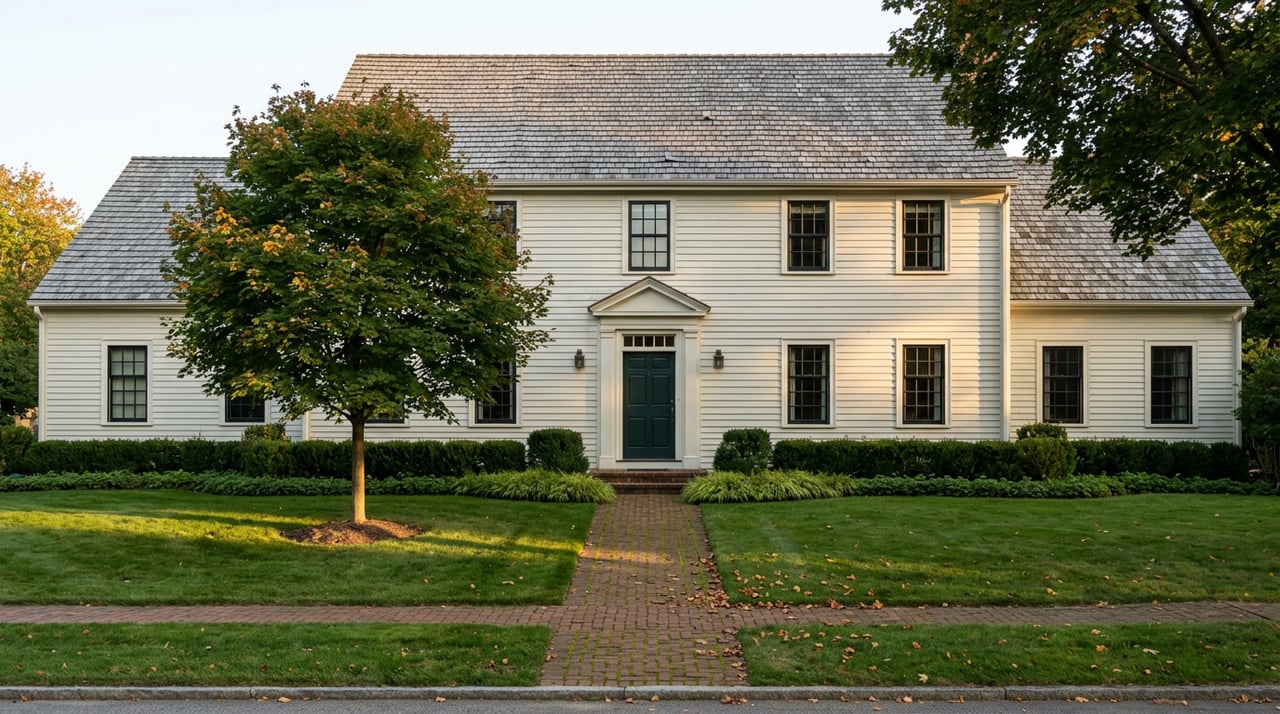
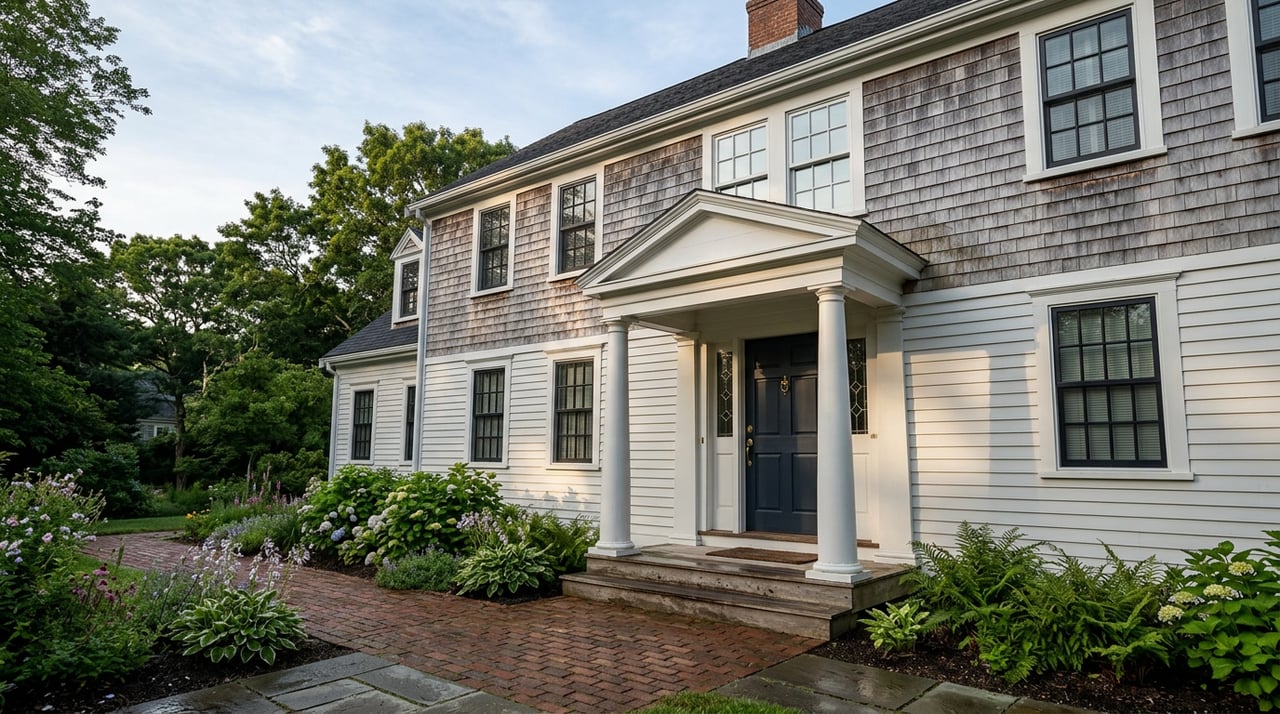
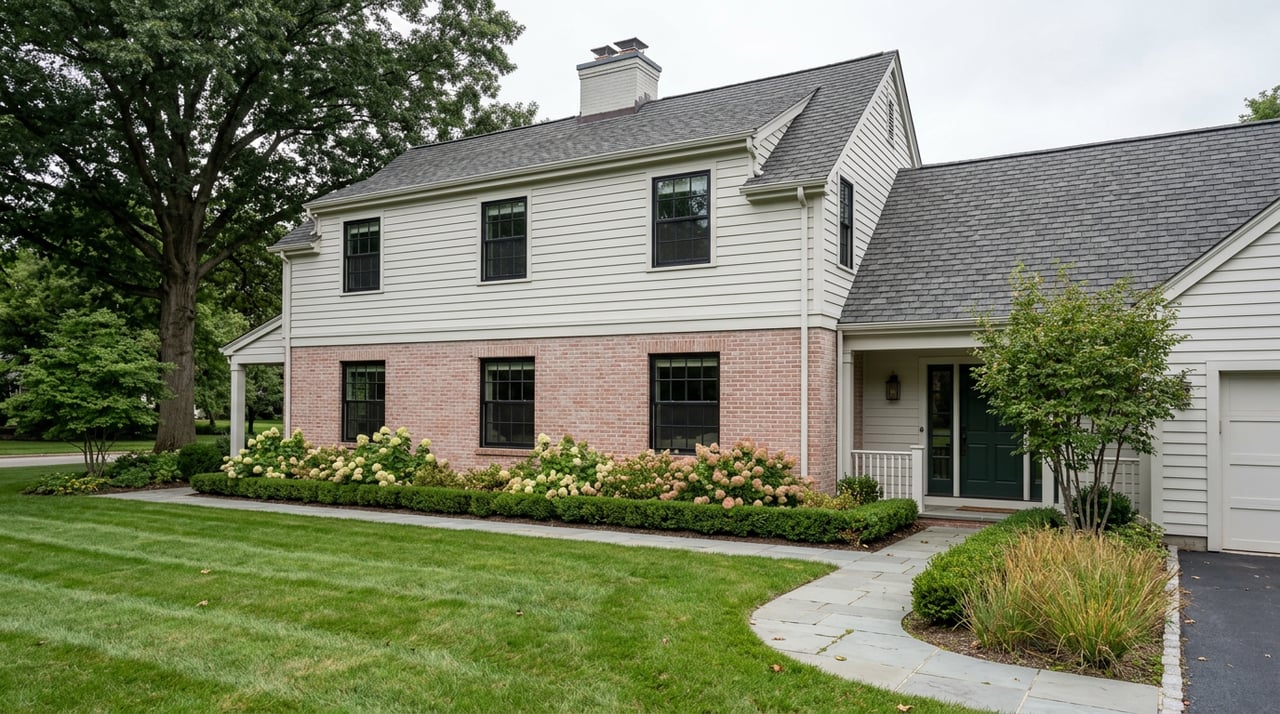
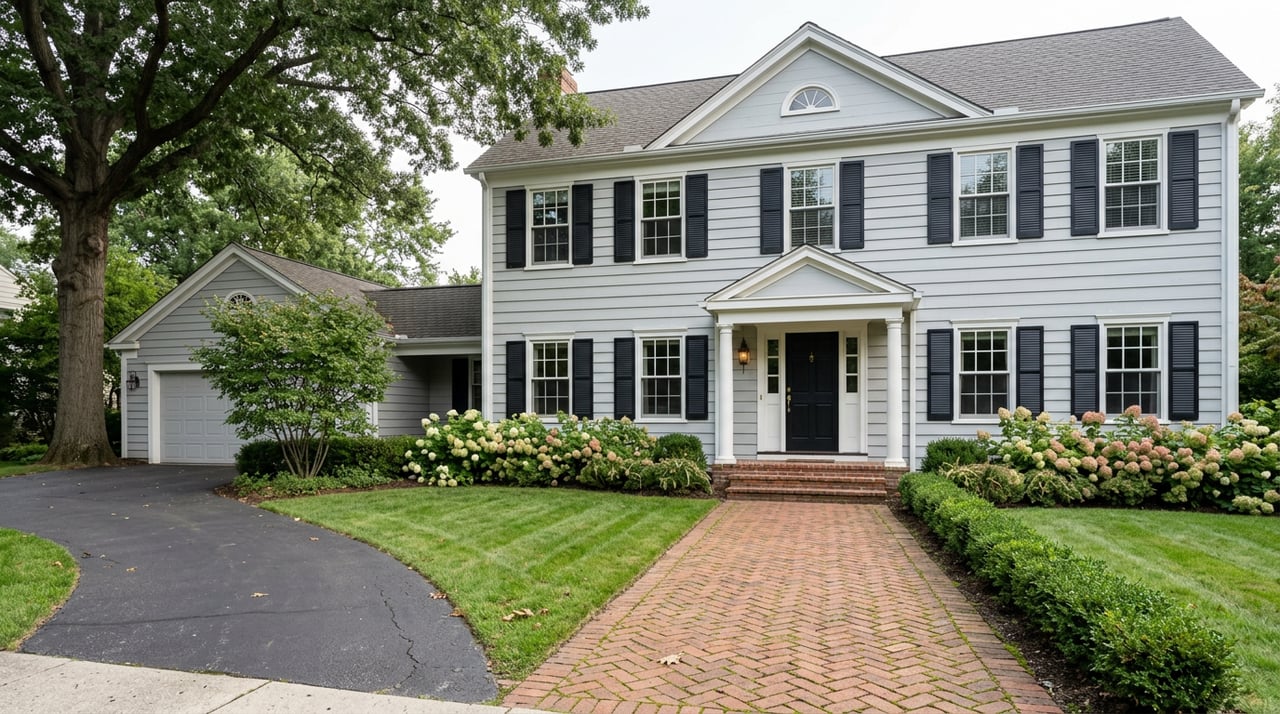
Expanded Colonials are one of the most familiar luxury home types in Lexington. They often reflect the town’s strong Colonial Revival tradition, which the Lexington Historical Commission describes as including large porches, wide entrances, fanlights and sidelights, classical trim, columns, corner pilasters, and sometimes Palladian or oval windows.
In many luxury properties, that classic exterior is paired with a more updated interior arrangement. You may find a traditional front-facing look, but inside the home has been opened up with a larger kitchen, an expanded family room, a mudroom, or a newer primary suite. This pattern fits Lexington’s long history of additions and larger replacement homes.
The main appeal is balance. You get curb appeal that feels classic and established, along with spaces that support modern living. For many buyers, that means the home feels polished from the street while still offering the comfort and flow you want every day.
These homes can work especially well if you want a more traditional look without giving up practical features. A well-executed layout often blends formal and informal spaces in a way that feels flexible. You may have separate rooms where you want them, but still enough openness for everyday life and entertaining.
The tradeoff is cohesion. If a home has been enlarged over time, the rooflines, window proportions, and overall flow may feel less unified than a house designed all at once. Some homes handle this beautifully, while others feel like the original house and the addition are telling two different stories.
Historic review can also matter. In Lexington’s local historic districts, the Historic Districts Commission reviews construction, demolition, exterior renovations, color changes, and signs. If you are considering a property in one of these districts, exterior plans deserve extra attention from the start.
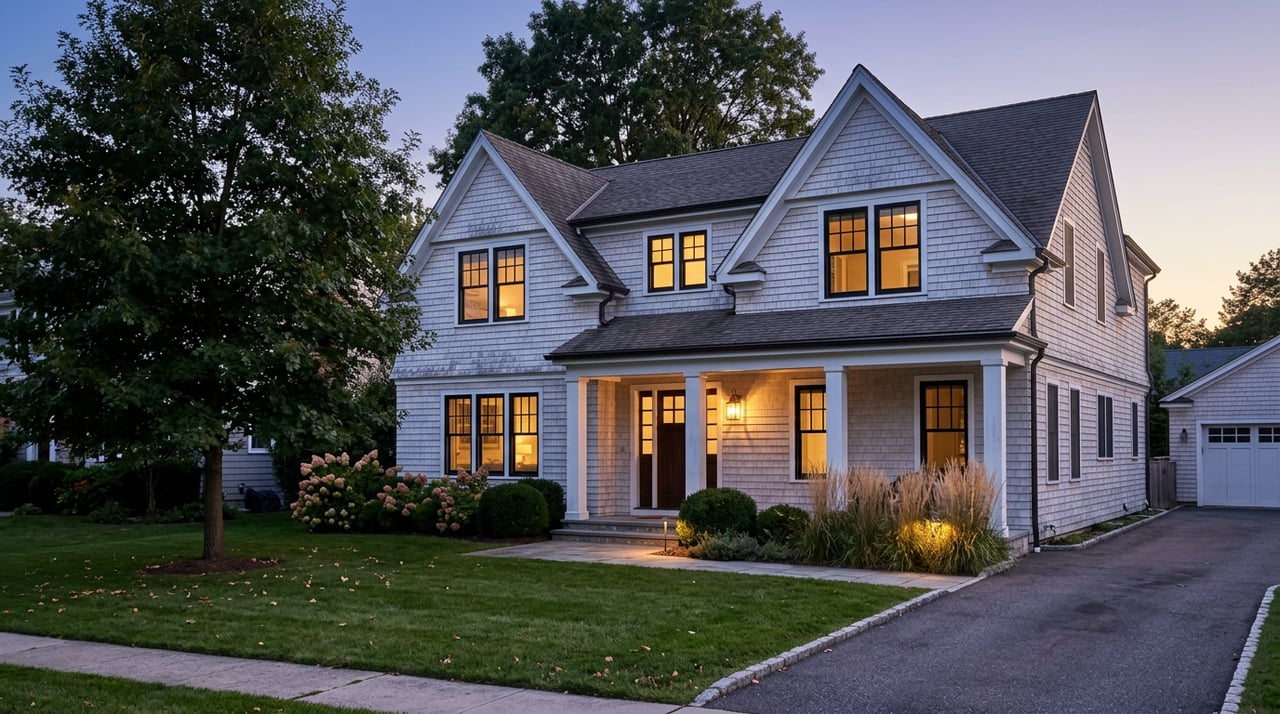
Lexington’s newer luxury homes are often the result of teardown-and-rebuild activity rather than large new subdivisions. The town’s Housing Needs Assessment reports that developers have replaced smaller older homes with much larger and more expensive houses. It also states that new single-family homes averaged 2.74 times the size of the homes they replaced in data presented at Town Meeting.
This segment tends to sit near the top of the market. In the town’s age-by-value data, homes built in 2020 or later had a median assessed value above $2 million. Homes built from 2010 to 2019 had a median assessed value of $1.54 million, and homes from 2000 to 2009 were at $1.47 million.
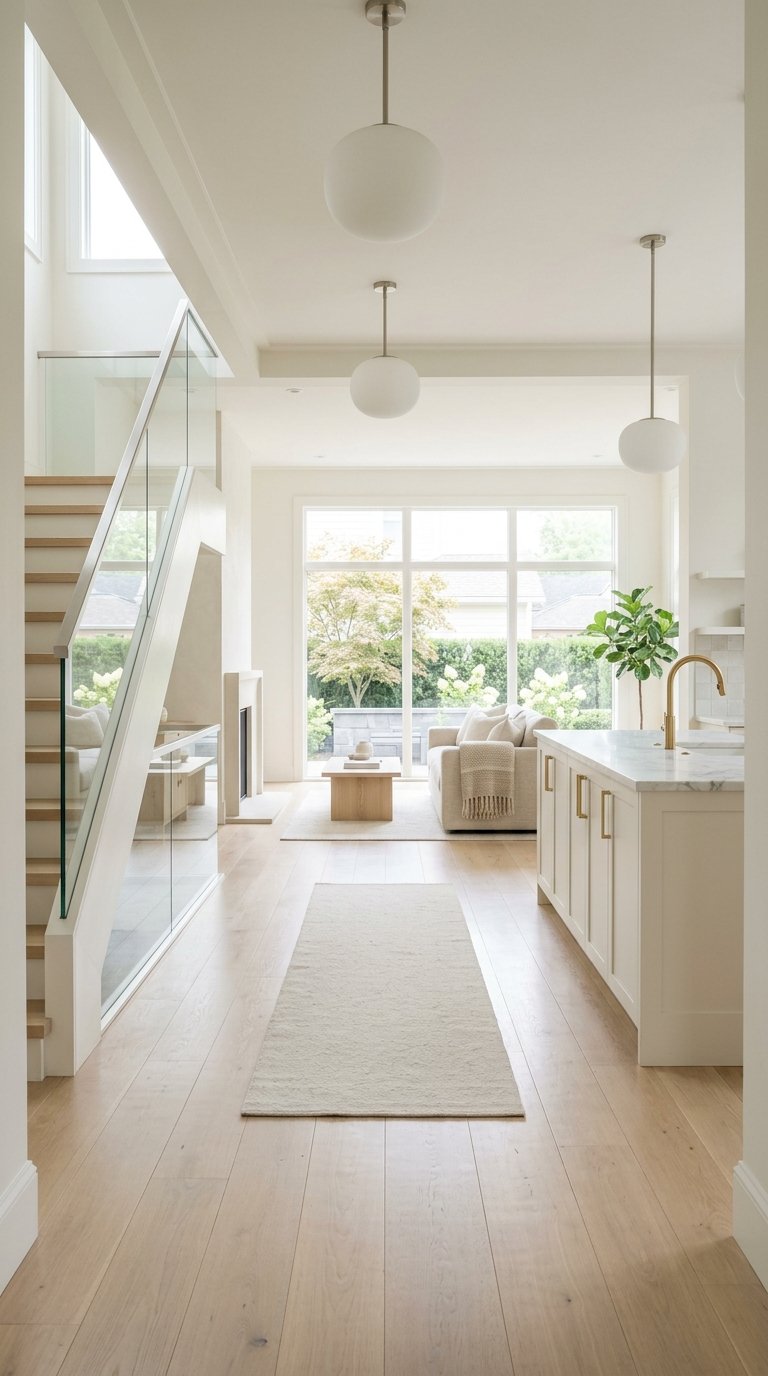
With newer homes, the conversation is often less about architectural purity and more about function. Buyers tend to focus on whether the layout supports an open kitchen-family space, a practical mudroom entry, enough bedrooms, private office space, and a comfortable setup for hosting guests.
Privacy and flow matter too. A strong newer layout often separates busy shared spaces from quieter work or bedroom areas. That can be especially useful if your household needs room for remote work, visitors, or multigenerational living patterns.
A newer home may offer the most turnkey experience, but not every large house lives well. Room count alone does not tell you whether the floor plan feels efficient or whether the scale is matched by usability. It is worth looking closely at circulation, storage, and how the home connects garage, kitchen, outdoor space, and bedroom wings.
Lexington also regulates new home size. The town first adopted gross floor area limits for newly constructed single-family homes in 2016 and strengthened those rules in 2023. That local policy is part of the reason newer homes here can feel carefully negotiated between size, site, and neighborhood context.
Lexington stands out for its contemporary housing stock. The town’s Historical Commission identifies Moon Hill, Five Fields, and Peacock Farm as important parts of Lexington’s more recent architectural history. The town also describes Lexington as fairly unique in both the quality and quantity of its contemporary homes.
These neighborhoods introduced a very different way of living from traditional Colonial layouts. The town’s architectural materials describe the Peacock Farm House as a split-level home with an open plan and a logical division of functions across three levels. Character-defining features include a low-slope asymmetrical gable roof, broad overhanging eaves, vertical siding, and horizontal bands of windows.
If you prefer light, openness, and a less formal room hierarchy, these homes can be very appealing. Broad window lines and open planning often create a stronger connection to the outdoors. The split-level organization can also separate activity zones in a way that feels natural rather than rigid.
For some buyers, this style feels more relaxed and design-forward. Instead of formal front rooms and strong symmetry, you may find a layout that prioritizes movement, views, and flexible shared space. That creates a very different daily experience from a classic center-hall Colonial.
Modern homes can come with a different maintenance profile. More glass, flatter roof forms, and exposed modern details often require close attention to water management, insulation, and window performance. Lexington’s own materials on post-1940 housing show that these neighborhoods have evolved over time, with many homes modified or expanded.
For older or architecturally significant homes, regular care matters. Preservation guidance cited in the research emphasizes roof and gutter maintenance, moisture control, repointing masonry where relevant, and maintaining weatherstripping. Mass Save also notes that insulation and air sealing can improve comfort and energy performance.
Older homes remain a major part of Lexington’s luxury market. The 2025 Housing Needs Assessment shows that 46% of Lexington housing was built before 1960. In other words, age alone does not place a home outside the luxury category here.
That same report also notes that in 2022, nearly two-thirds of single-family homes were assessed at or above $1.2 million. So if you are considering an older property, it is important not to assume it will come with a lower-end price tag simply because it is historic or more traditional in layout.
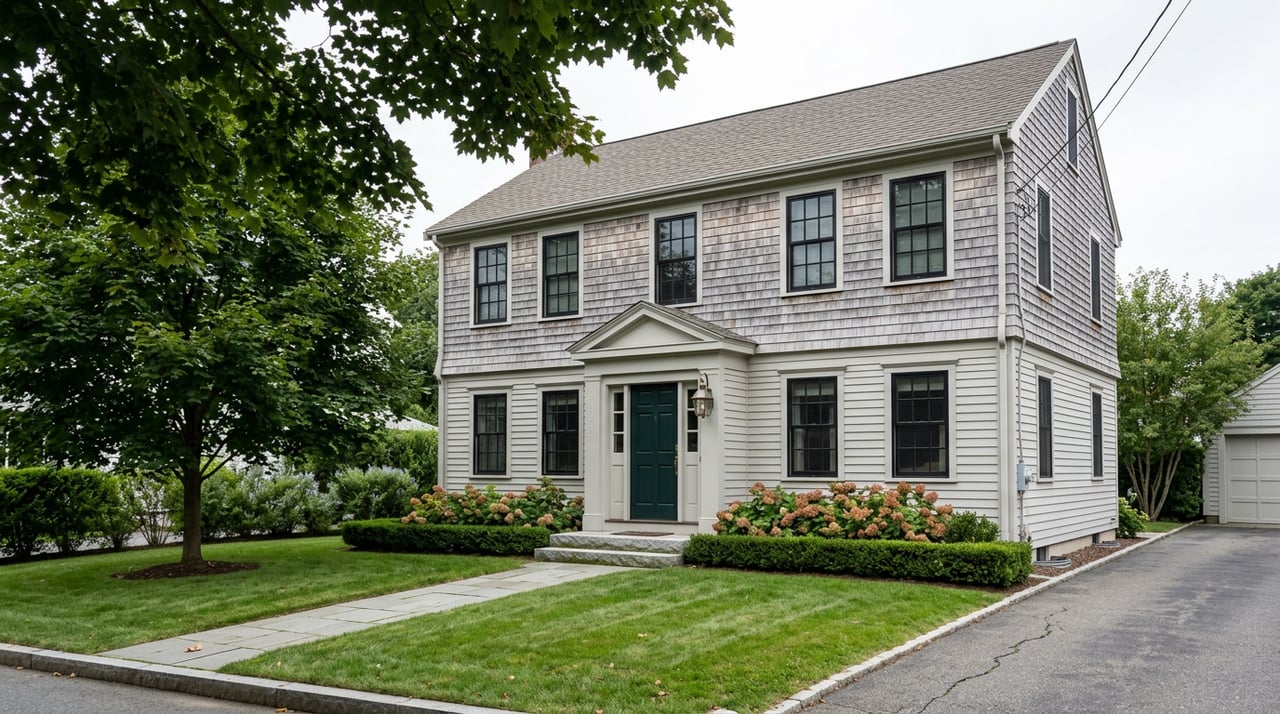
Lexington’s older housing includes First Period, Georgian, Federal, Greek Revival, Victorian-era, and Colonial Revival examples. The town’s style guide describes features such as central chimneys, small windows, symmetrical facades, classical trim, large porches, and formal door treatments.
Inside, these homes often have more compartmentalized rooms and more traditional circulation patterns. Kitchens and primary suites may have been updated later, rather than built into the original plan. That can create a home with real character, but also one where the layout feels more formal or less open than newer construction.
This category usually requires the most careful due diligence. Lexington’s Historical Commission notes that the town has a demolition-delay bylaw for properties on the cultural resources inventory. The Historic Districts Commission also reviews exterior changes in local historic districts.
Maintenance planning matters too. Preservation guidance referenced in the research recommends regular roof inspections, twice-yearly gutter cleaning, moisture control near foundations, maintaining weatherstripping, and using appropriate mortar for masonry repointing. Those details may not be glamorous, but they can have a major impact on comfort, cost, and long-term ownership experience.
When homes are priced in a similar range, the best choice often comes down to how you want to live. In Lexington, the same budget can buy a very different daily experience depending on the house style, age, and layout. That is why it helps to compare homes on more than square footage and finishes.
A useful way to evaluate options is to focus on the following:
In a market as layered as Lexington, style and layout are closely connected. A newer rebuild may offer scale and convenience. An expanded Colonial may balance tradition and flexibility. A mid-century modern home may deliver light and architectural personality. A renovated antique may offer character that newer homes cannot replicate.
The key is to match the house to your real life, not just your first impression. When you look past the surface and compare how each home actually functions, you can make a stronger and more financially confident decision.
If you want help weighing Lexington luxury home styles, pricing differences, and layout tradeoffs, Martha Sevigny offers experienced, high-touch guidance grounded in deep local knowledge and a clear understanding of the upper-end single-family market.
Stay up to date on the latest real estate trends.
Her skills in finance, attention to detail, and client satisfaction translate seamlessly to the benefit of her real estate clients.