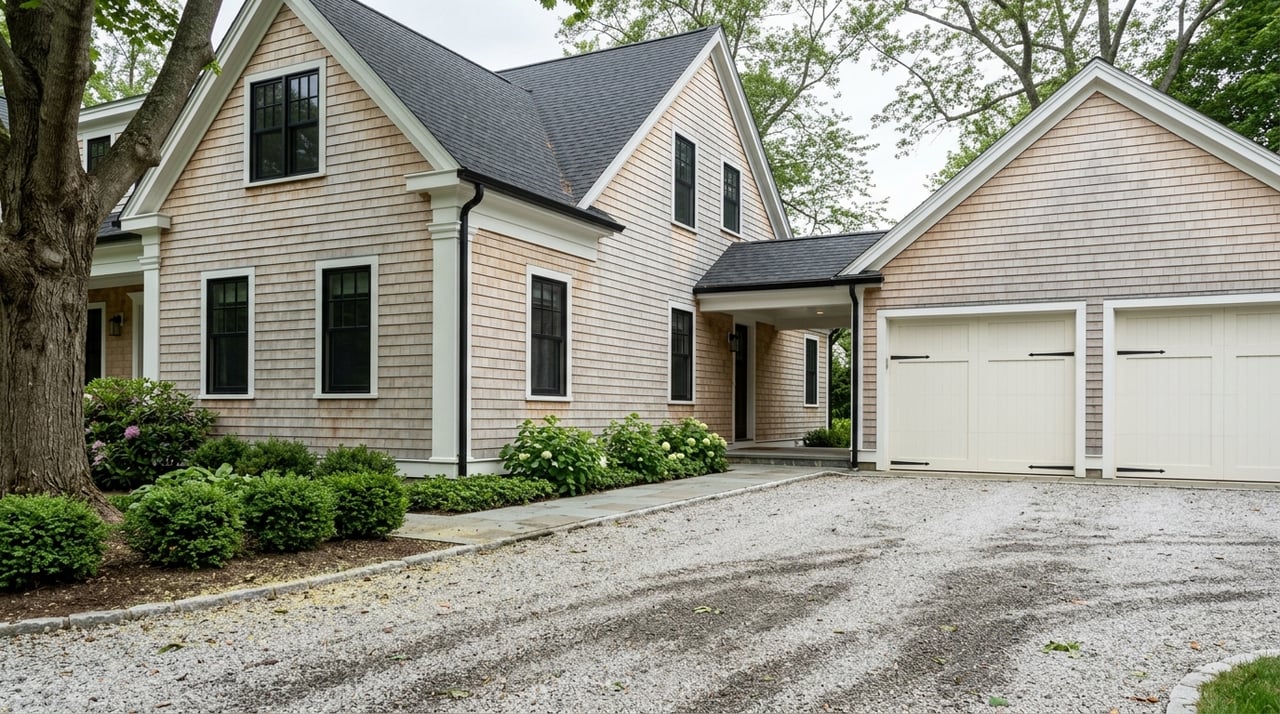
Coordinating Your Winchester Sale And Next Home Purchase
July 9, 2026
July 9, 2026
If you sell your Winchester home before you buy the next one, where will you live in between? If you buy first, can you comfortably carry the overlap? For many Winchester homeowners, that is the real challenge. The good news is that with a clear plan, realistic numbers, and the right timing strategy, you can reduce stress and protect your bottom line. Let’s dive in.
Winchester’s housing market can move quickly, and that affects how you coordinate two transactions. Recent market snapshots vary by source, but they point to the same practical takeaway: homes can sell fast, many attract strong interest, and timing can shape both your negotiating leverage and your moving plan.
That matters even more in a higher-price market. Recent data in the research report places Winchester sale prices and home values well above $1 million, with homes often going pending or selling within days or a few weeks. When your current home and next purchase are both large financial commitments, even a short timing mismatch can become expensive.
Before you decide whether to sell first or buy first, you need a realistic picture of your cash position. That means more than estimating your sale price. You also need to account for loan payoff, selling costs, moving expenses, and the cash you want to keep in reserve.
Your next-home budget should also include ongoing ownership costs. The Winchester FY2026 residential property tax rate is $11.08 per $1,000 of assessed value. At an assessed value around $1.59 million, that works out to about $17,600 per year, or roughly $1,468 per month before any exemptions.
Mortgage rates also affect the equation. Freddie Mac reported a 30-year fixed average of 6.43% on July 2, 2026. If you end up carrying two housing payments for even a short period, the cost can add up quickly.
A short-term rental is not always a cheap fallback, either. Research cited for Winchester places local rent levels around the mid-$3,000s per month, which means a sell-first plan may offer more certainty but still come with a meaningful interim housing cost.
Most Winchester homeowners choose from three basic paths. Each one balances certainty, convenience, and offer strength differently.
This is often the most conservative financial option. You sell your current home, know your net proceeds, and then shop for the next home with clearer numbers and less risk of carrying two mortgages at once.
The tradeoff is logistics. If your purchase does not line up perfectly, you may need temporary housing, storage, and a second move. In Winchester, where short-term rent can be costly, that gap should be part of your planning from the start.
This path often works well if your priority is financial clarity. It can also make your purchase offer cleaner because you are no longer dependent on selling your current home.
Buying first gives you more control over your move. You can secure the next home, move once, and then prepare your current property for sale without living through showings or packing on a deadline.
The tradeoff is carrying cost and financing pressure. You may need enough cash, income, or equity to qualify for the new purchase before your current home sells. You also need to be comfortable with the possibility that the sale closes later than expected.
In a market like Winchester, some homeowners choose this route when they want to compete more strongly for a replacement home. But the decision should be backed by a careful review of your financing and overlap tolerance.
A same-day or near-same-day closing sounds ideal, and sometimes it works well. It can reduce overlap costs and limit the need for temporary housing.
Still, this approach requires precision and some padding. After a purchase agreement is signed, buyers typically still need mortgage approval, appraisal, title work, and insurance before closing. Those steps can take several weeks or more, so even small delays on one side can affect the other.
A sale contingency means your purchase depends on selling your current home first. This can protect your earnest money if your home does not sell in time.
The downside is competitiveness. In a market where some homes receive multiple offers and some buyers waive contingencies, adding a sale contingency can make your offer less appealing. That does not mean it is the wrong choice, but it does mean you should weigh protection against offer strength.
For some sellers, the smartest move is to build their strategy around the type of home they want to buy next. If the replacement home is likely to attract heavy competition, a sale contingency may be harder to use successfully.
A rent-back, also called post-closing occupancy, allows you to sell your home and remain in it for a limited time after closing. This can be a helpful tool if you want your sale proceeds in hand before your next purchase closes.
A rent-back can reduce the need for temporary housing, but it needs careful planning. The occupancy terms should be in writing, with clear details about timing, cost, and responsibilities. Lender approval and insurance should also be checked, and many lenders will not accept leasebacks longer than 60 days.
In practice, this can be a strong middle-ground solution for Winchester sellers. It offers flexibility, but only if the buyer is comfortable with it and the agreement is structured clearly.
Bridge financing is designed for homeowners who want to buy before they sell. It can help you tap equity from your current home so you can move forward without making your purchase contingent on a sale.
This can improve your offer strength, especially if you are competing against cleaner offers. But it also adds a short-term loan, another payment obligation, and a repayment deadline.
Bridge financing tends to make the most sense when you have substantial equity and a clear plan for the sale. It is less about convenience alone and more about whether the cost and risk are worth the flexibility it provides.
Massachusetts adds an important local factor to your timeline. For sales after October 15, 2025, sellers and their agents may not condition acceptance of an offer on a buyer waiving a home inspection, and buyers must receive a separate written disclosure before or at the first purchase contract.
For you, the practical takeaway is simple: inspection timing should be built into your plan. In earlier markets, some buyers may have treated inspection as something that could be skipped to speed things up. In Massachusetts, your timeline should assume inspection scheduling, review, and any related decisions are part of the normal process.
That makes advance planning even more valuable. If you are trying to coordinate two closings, every built-in step matters.
Before you put your Winchester home on the market or start writing offers, make sure you can answer a few key questions:
These questions help turn a stressful unknown into a workable plan. They also make it easier to choose a strategy that fits your finances and your comfort level.
For most Winchester homeowners, the central choice is this: do you want to maximize certainty, or maximize offer strength? Selling first usually gives you more certainty. Buying first, using bridge financing, or limiting contingencies may improve your position when you go after the next home.
There is no one-size-fits-all answer. The right sequence depends on your equity, your mortgage picture, your tolerance for carrying costs, and how flexible you can be if closing dates shift.
This is where strong planning makes a real difference. When you map out the likely numbers, the timing windows, and the backup options in advance, you can move forward with more confidence and fewer surprises.
If you are weighing a Winchester sale and your next home purchase, Martha Sevigny can help you build a timing plan that protects your net proceeds and keeps your move as smooth as possible.
Stay up to date on the latest real estate trends.


Her skills in finance, attention to detail, and client satisfaction translate seamlessly to the benefit of her real estate clients.