Everyday Life Around Winchester Center And The Commuter Rail
June 25, 2026
June 25, 2026
If you want a suburb where the train is part of daily life, Winchester Center stands out right away. You get a real downtown anchor, a commuter rail stop in the middle of it, and a layout that makes quick errands and casual outings feel easier. For buyers weighing Winchester, this area offers a useful mix of convenience, character, and long-term appeal. Let’s take a closer look.
Winchester Center is home to the MBTA station on the Lowell Line, about 7.8 miles from North Station. That location matters because it places the train directly in downtown Winchester rather than at the edge of town. For many buyers, that creates a more connected, day-to-day routine.
The station itself is also in the middle of a major reconstruction project. According to town advisories, the south half of the renovated station was open for inbound and outbound commuter rail service in January 2025, with improvements that include accessible platforms, elevators, ramps, lighting, and related upgrades. That points to a station area designed to function better for everyday use.
Around Winchester Center, daily life is usually best described as car-light rather than car-free. Official town and visitor information highlights that Winchester can be reached by train, bus, bicycle, or car, and many downtown attractions are within a 10 to 15 minute walk from parking areas. In practical terms, that means you may still want a car, but you may not need it for every part of your routine.
If you live near the station, you can often combine commuting with walkable errands and short downtown stops. That can make a difference on busy weekdays when you want to pick up a few things, meet someone for coffee, or head home without adding another drive. It is a small quality-of-life upgrade that often matters more than buyers expect.
Winchester also connects to the Tri-Community Greenway, which adds another transportation and recreation option through town. For people who enjoy walking or biking for part of their routine, that can make the area feel even more usable beyond the train platform itself.
Parking policy in Winchester Center reinforces the idea that this is a place where fewer car trips can make life easier. The town center parking system includes permits, pay-by-space lots, and posted on-street regulations, and the town notes that permits do not guarantee a space. That is important context if you are comparing Winchester Center with a more auto-oriented suburban setting.
Town planning documents also note that reduced parking requirements are intended to help make housing more feasible and encourage residents to keep fewer cars while using commuter rail and bus service. In other words, the center is not built around endless parking. It is built around access, proximity, and a more compact downtown pattern.
One of the strongest parts of everyday life around Winchester Center is how many basic errands can happen in one small area. Official visitor information points to a compact mix of shops and services, including bookstores, pharmacies, hardware, toy stores, florists, boutiques, and salons. That variety helps downtown feel functional, not just charming.
You are not looking at a one-note commuter stop. You are looking at a village center where daily needs can often be handled on foot. For buyers who value efficiency, that can be a real advantage.
The station area also benefits from a local dining scene that supports both planned outings and spontaneous stops. Visitor resources highlight coffee, baked goods, diner fare, pub and tavern food, bagels, and Italian dining among the options in and around downtown. That kind of mix helps the center stay active throughout the day.
For you as a buyer, this matters because lifestyle is not just about square footage. It is also about whether a place makes weekday mornings smoother, weekends more enjoyable, and social plans easier to fit in. Winchester Center offers that village-style rhythm in a way many suburbs do not.
Even with the convenience of downtown, open space remains a visible part of Winchester’s identity. The town points to the Town Common in the downtown core, the 29-acre Town Forest, and the Middlesex Fells Reservation along Winchester’s eastern edge. Visit Winchester also describes the Fells as a 2,200-acre recreation area and notes the Tri-Community bike path through downtown.
That combination gives you more than a train stop and storefronts. It gives you places to walk, ride, gather, and spend time outdoors close to the center of town. For many buyers, that balance between convenience and green space is a big part of Winchester’s appeal.
Winchester Center is also part of the town’s designated Cultural District. Town materials describe a broader vision that connects the Common and the renovated station area to public programming and a more active village center. That gives the area a civic role beyond transportation.
Public activity in the district includes library talks, Jenks Center programming, Griffin Museum exhibits, and events tied to the Common and station area. For residents, that can make downtown feel more animated and community-oriented throughout the year.
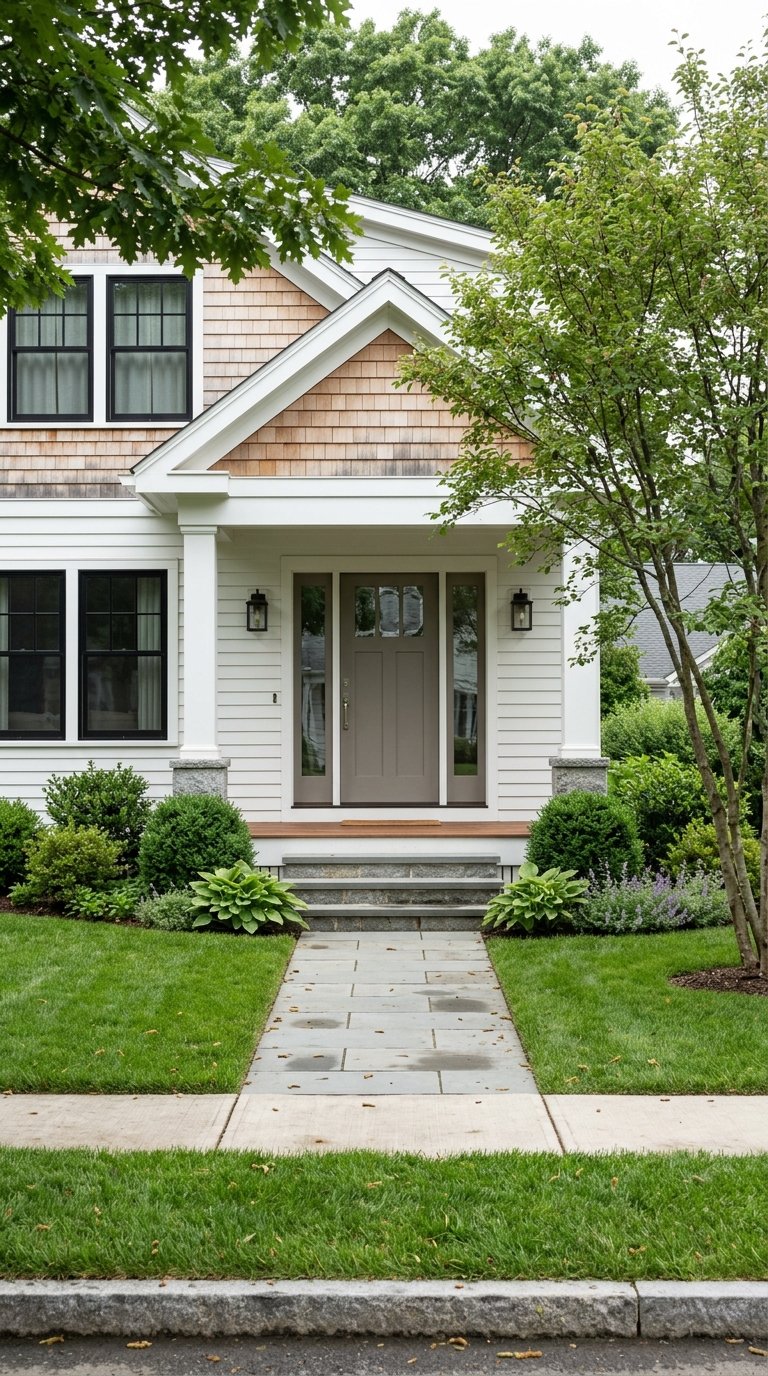
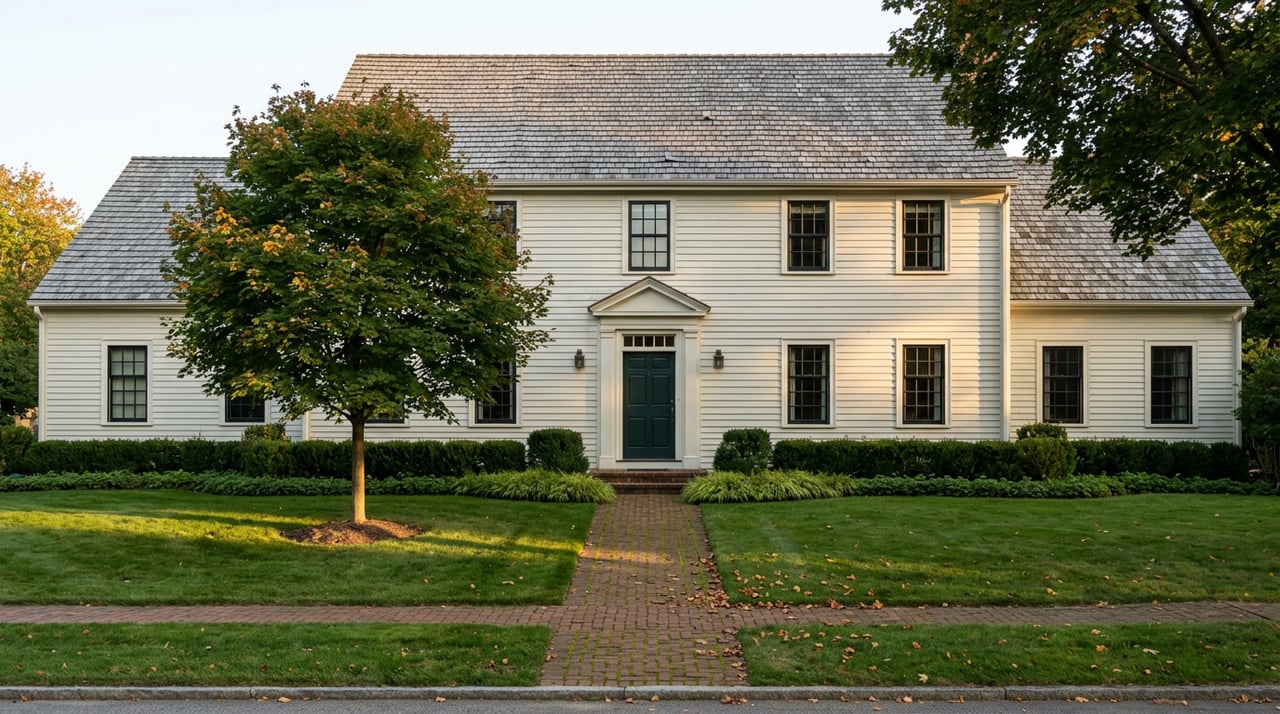
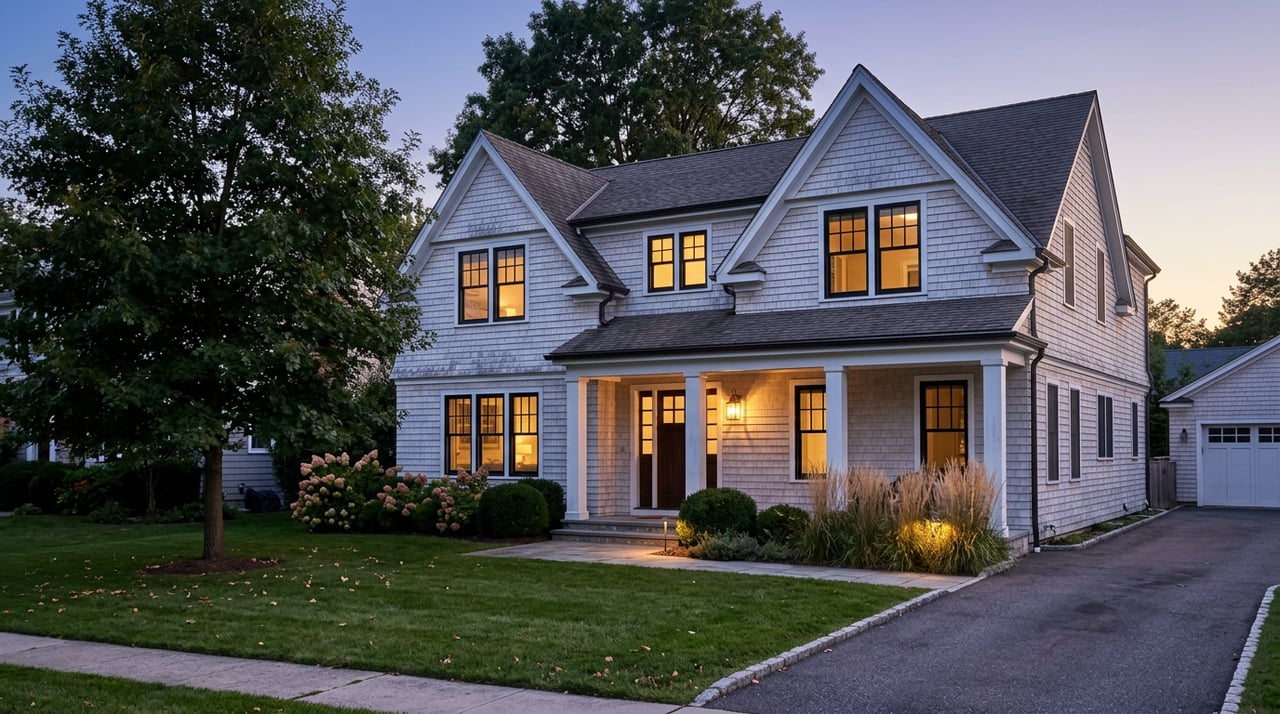
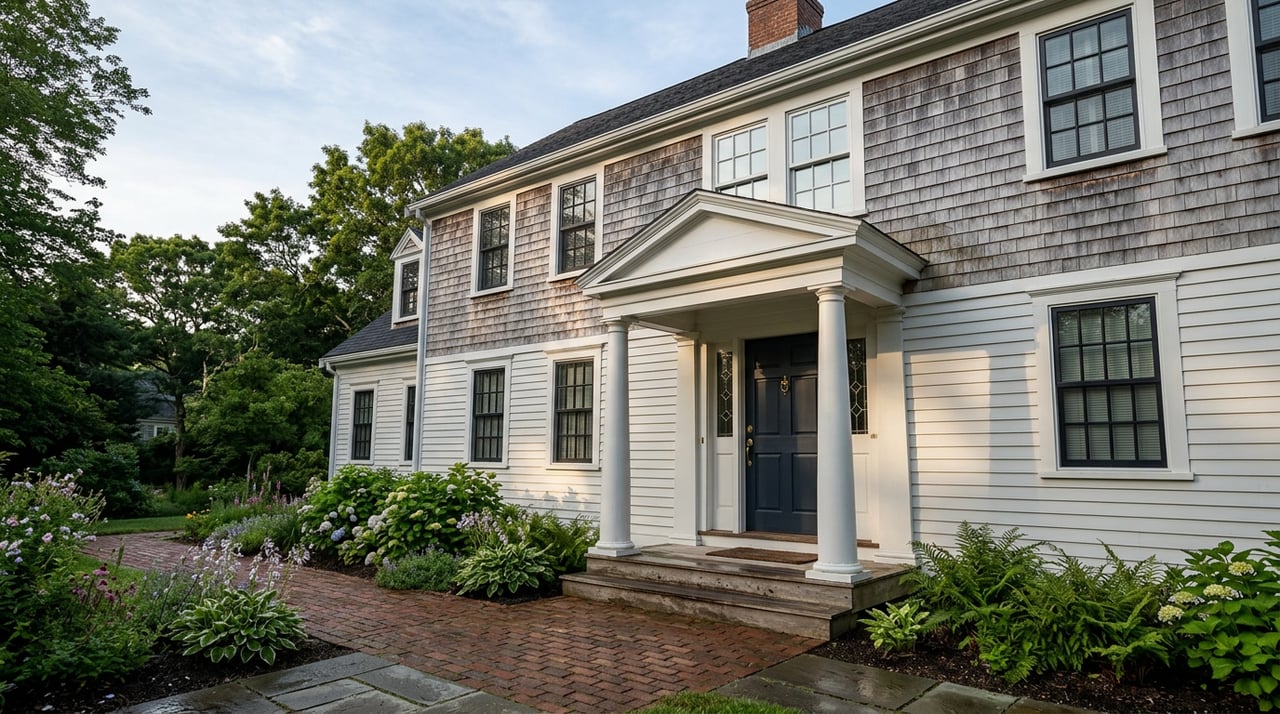
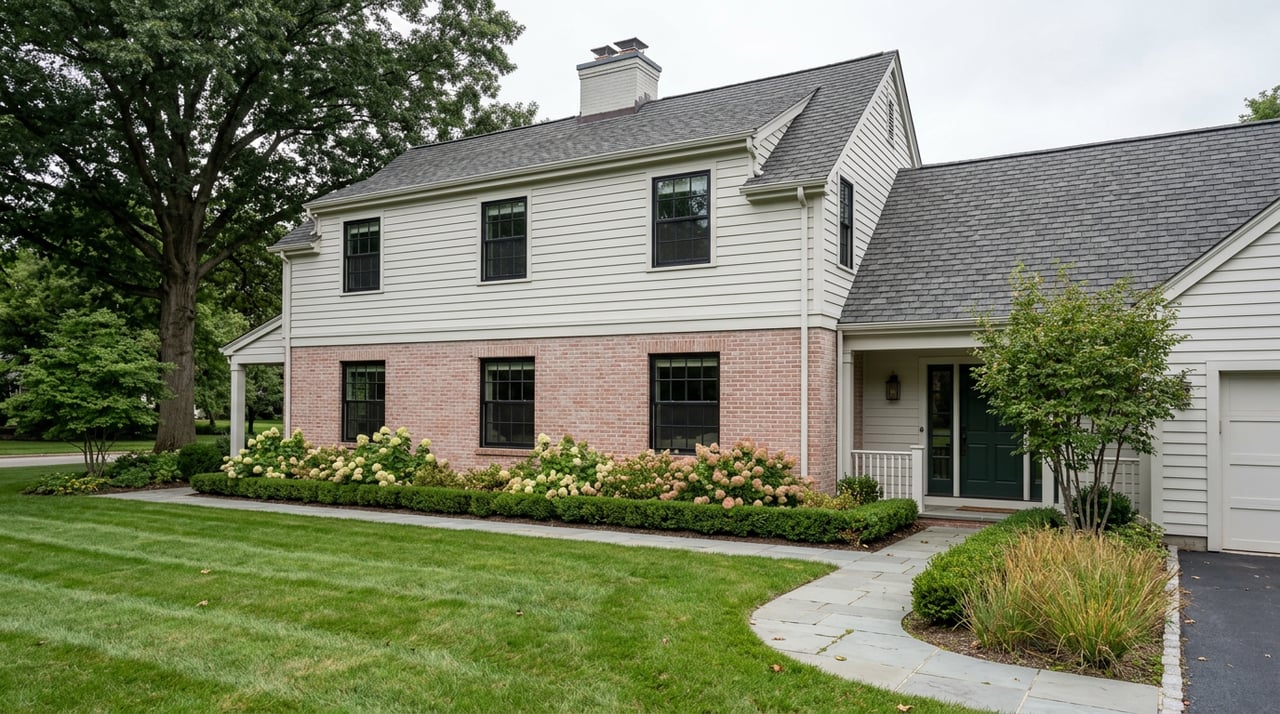
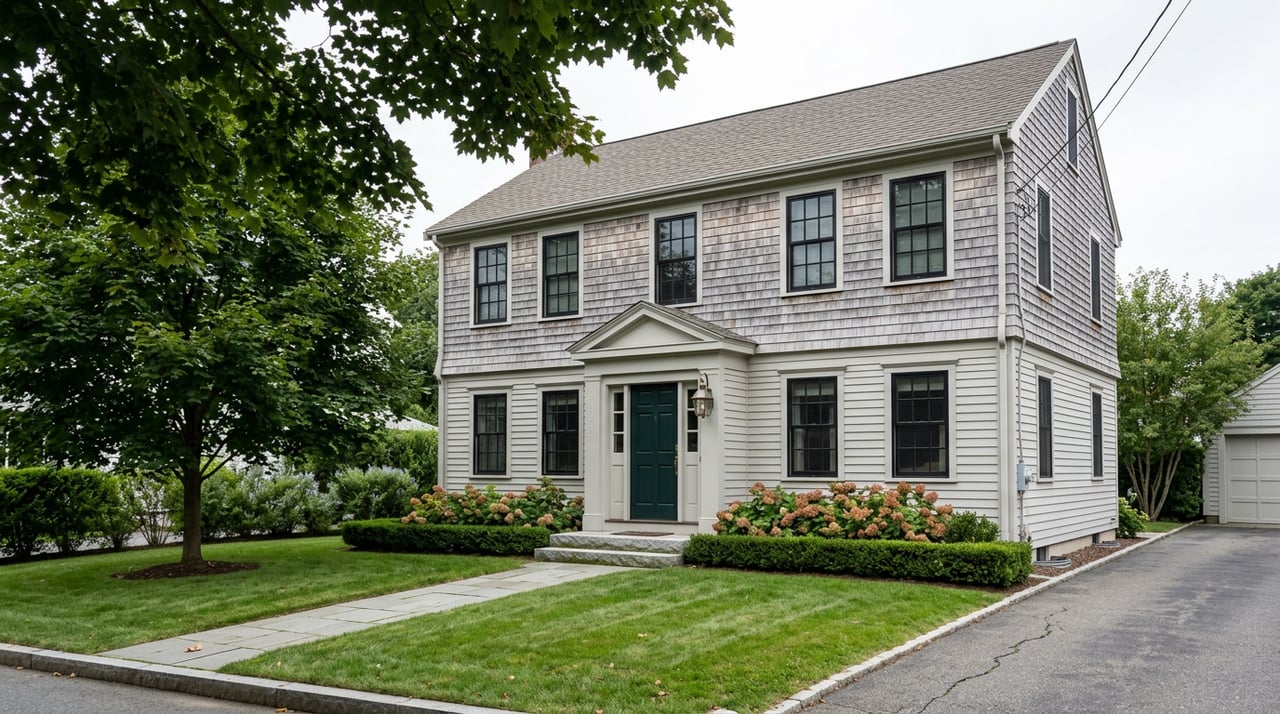
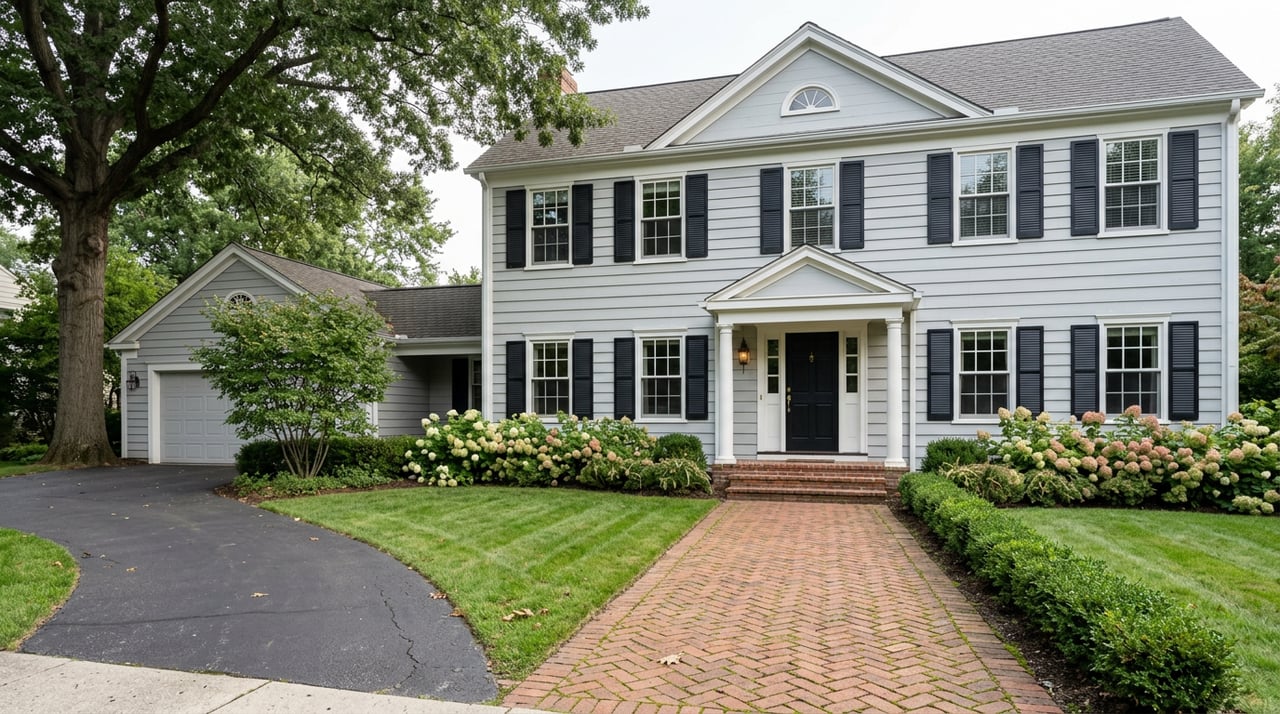
Architecturally, Winchester is not a uniform transit village. Town history materials describe a layered housing mix that includes Colonial and Federal farmhouses, factory-worker housing, businessmen’s homes, Depression-era affordable homes, postwar ranches, modern houses, and condominium developments. Winchester Center itself became a National Register Historic District in 1986.
For buyers near the station, that usually translates into a mix of period homes, established streetscapes, and some center-based condo or apartment possibilities. Planning documents for the business district also discuss residential uses above street level and a market for empty-nester condos, apartments, and work-live units within walking distance of the station. The result is a center with historic character, but not a one-size-fits-all housing story.
Winchester is a high-priced market by suburban standards. The town’s 2024 to 2029 Housing Production Plan notes limited supply and high real estate prices, with median prices over $1.5 million for single-family homes and over $750,000 for condos. It also notes that only 3.07% of the housing stock is on the Subsidized Housing Inventory.
As a broader townwide snapshot, Zillow’s current Winchester page places the average home value at $1,575,917 and says homes go pending in around 8 days. While those figures are not specific to Winchester Center alone, they help show the pace and price level buyers are dealing with in the local market.
Research suggests that commuter rail access can influence value, not just convenience. One Eastern Massachusetts study found that properties in municipalities with commuter rail stations were about 9.6% to 10.1% more valuable than comparable properties in municipalities without stations. A newer Middlesex County study also found a station-proximity premium in outer suburbs, though that effect softened during the pandemic.
For Winchester Center, the practical takeaway is straightforward. Buyers may place a premium on walkability, train access, and the ability to manage some daily life without relying on the car for every trip. In markets like Winchester, those features can shape demand as much as room count or lot size.
Winchester Center can be a strong fit if you want a home base that supports both commuting and local daily life. That may appeal to buyers who value easier rail access, nearby shops and dining, and a town center with green space and public activity close by. It can also appeal to buyers who like historic character and a more village-like downtown setting.
At the same time, it helps to go in with realistic expectations. This is a high-price market, parking is managed rather than abundant, and car-light living here usually means selective car use rather than no car at all. If that tradeoff works for your lifestyle, Winchester Center may deserve a close look.
If you are weighing Winchester against other Greater Boston suburbs, the right decision often comes down to how you want everyday life to feel, not just what appears on a listing sheet. For thoughtful guidance on Winchester and nearby luxury suburban markets, schedule a confidential consultation with Martha Sevigny.
Stay up to date on the latest real estate trends.
Her skills in finance, attention to detail, and client satisfaction translate seamlessly to the benefit of her real estate clients.