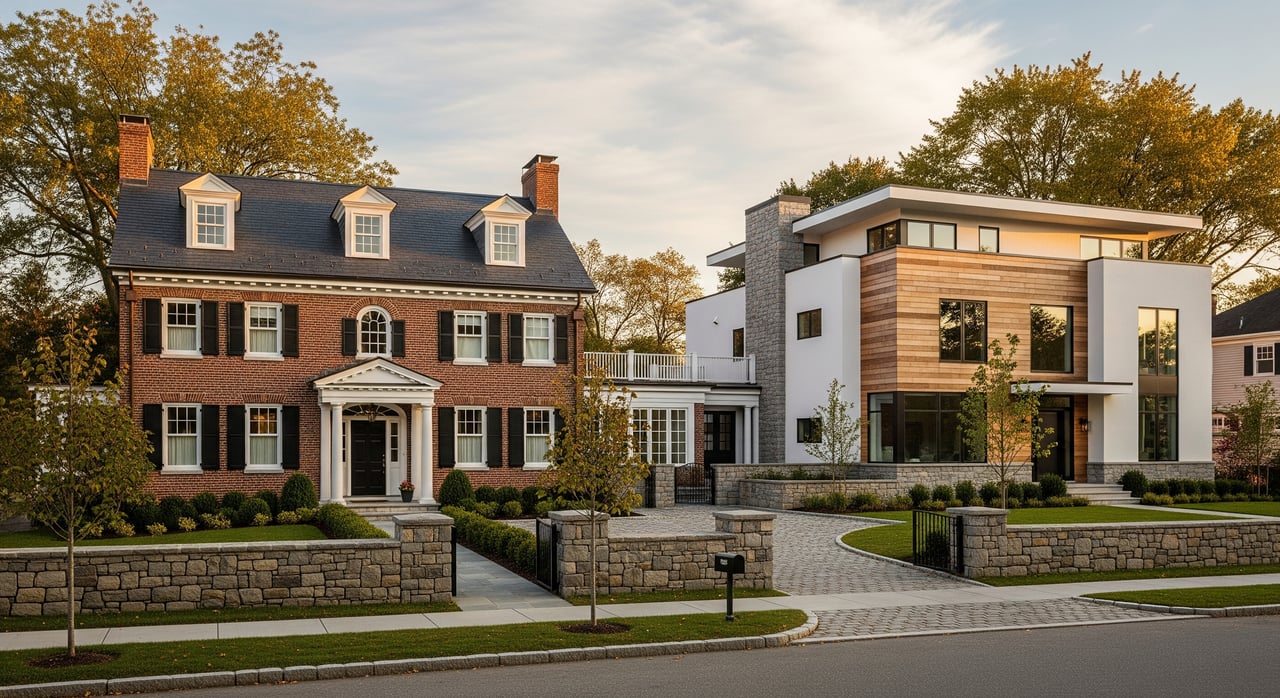
Colonial vs Contemporary Homes in Winchester
December 4, 2025
December 4, 2025
Torn between classic Colonial charm and sleek Contemporary lines as you shop in Winchester? You are not alone. Many move-up buyers here weigh curb appeal against modern flow, and wonder which style will serve their lifestyle and long-term value best. In this guide, you will compare layouts, day-to-day living, and resale considerations so you can buy with confidence. Let’s dive in.
Winchester is an affluent, close-in Boston suburb with commuter rail access and highway connectivity. You will find that these factors raise the importance of commute time, proximity to schools and amenities, and a usable yard. Those priorities play directly into the way different home styles feel and function.
The local housing stock spans late 19th and early 20th century neighborhoods with many Colonial and Colonial Revival homes, plus mid-century and newer Contemporary options. You will see center-hall and side-hall Colonials on modest to medium lots, along with mid-century modern, split-level, and modern infill that favor open plans. Your style choice affects daily living and how buyers will view your home when it is time to sell.
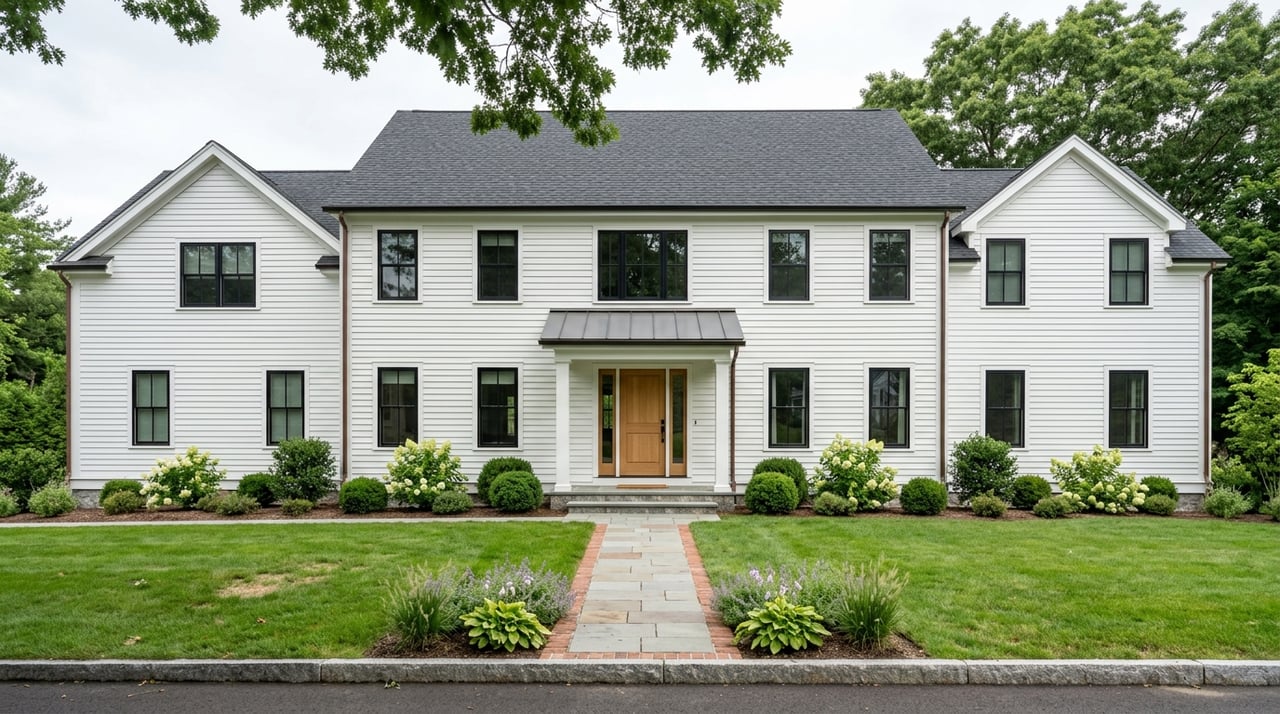
Colonial and Colonial Revival homes in Winchester typically feature a symmetrical façade, a centered or balanced entry, double-hung windows, gabled roofs, and clapboard or brick siding. Trim details and cornices add classic character. Detached garages are common, often tucked toward the rear, and many streets offer mature trees and established landscaping.
Expect a center-hall or side-hall layout with defined rooms: formal living and dining, an eat-in kitchen in older examples, and a separate family room if the home has been expanded. Most Colonials group 3 to 5 bedrooms on the second level. The classic plan creates clear separation between public and private spaces, which many buyers appreciate. The tradeoff is that kitchens can feel compartmentalized and hallways narrower in unrenovated homes.
Many Winchester Colonials are great candidates for targeted updates. Kitchen and family-room expansions, rear additions, or basement conversions create modern gathering spaces while maintaining character. Mechanical upgrades like HVAC, electrical, windows, and insulation are common value adds. A thoughtfully opened main level often improves both livability and resale.
Choose a Colonial if you prize classic curb appeal, defined rooms for quiet and entertaining, and bedrooms grouped together upstairs. If you also enjoy the idea of refining a home over time, a Colonial offers a clear path to add value through kitchen updates, primary suite improvements, and better indoor-outdoor flow.
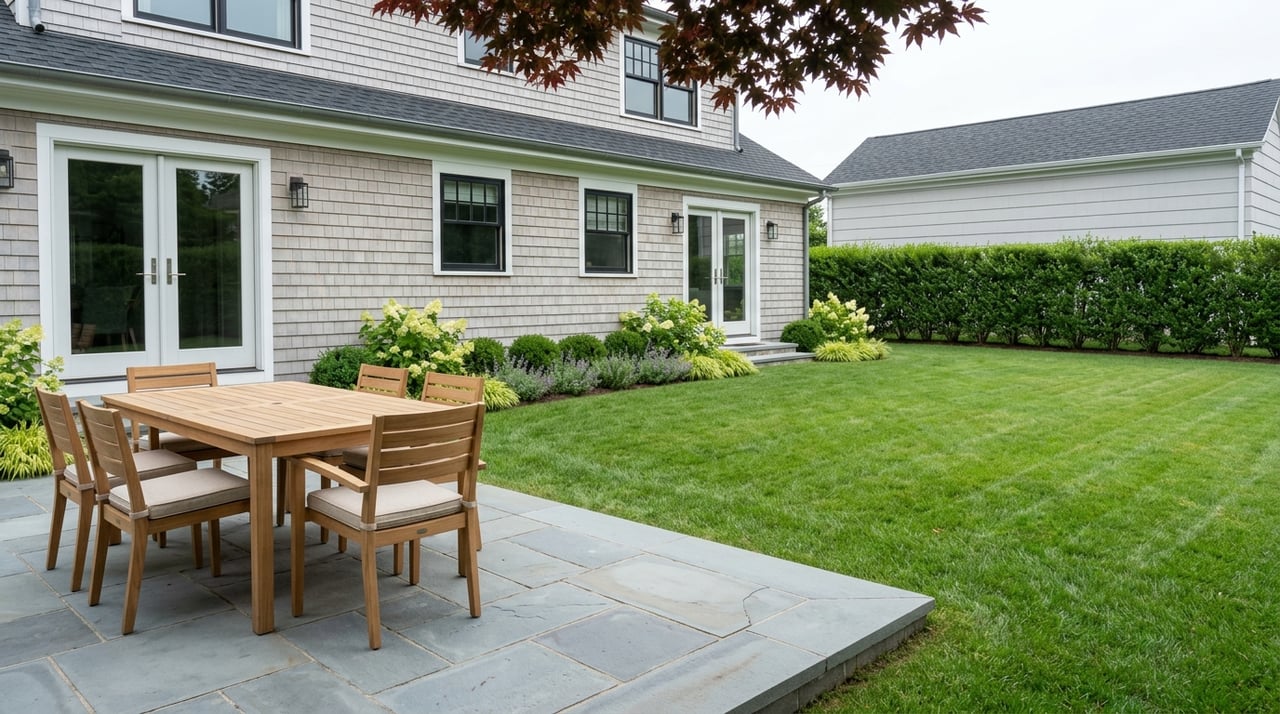
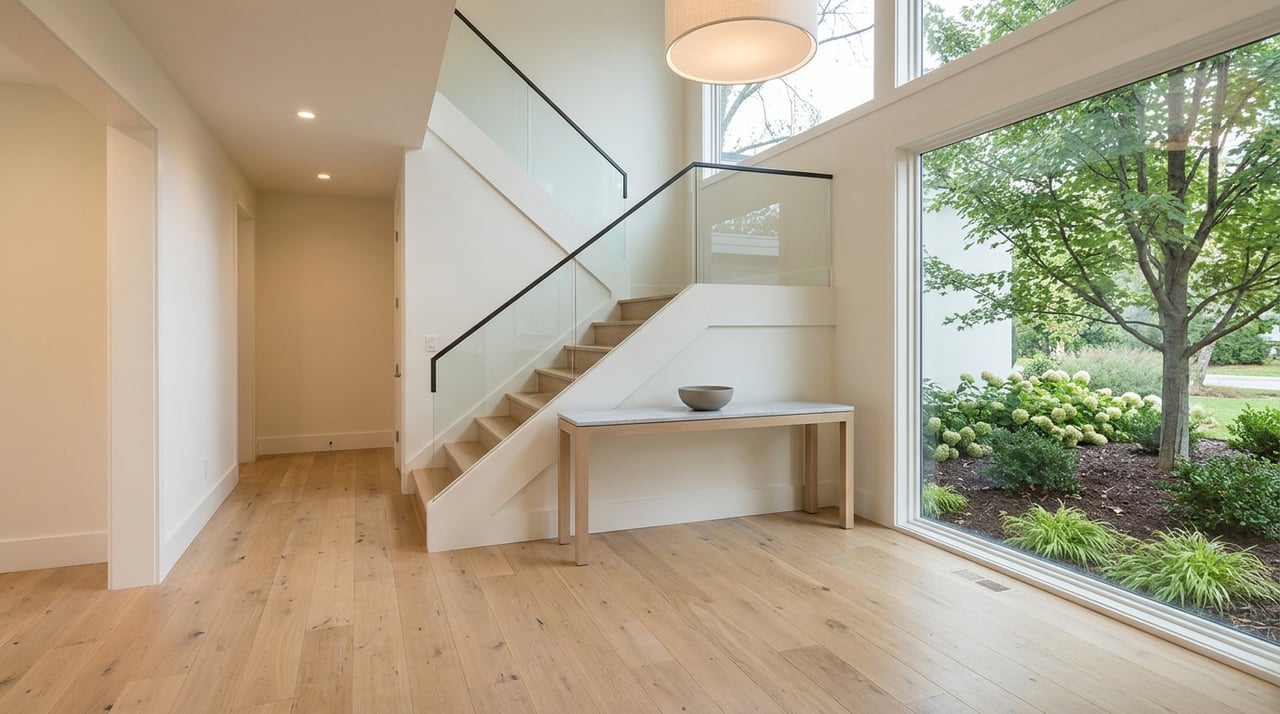
Contemporary homes in Winchester range from mid-century forms to modern infill. You will see clean lines, larger windows, mixed materials like wood, glass, and metal, and less formal symmetry. Newer builds often integrate garages and outdoor living with decks or patios.
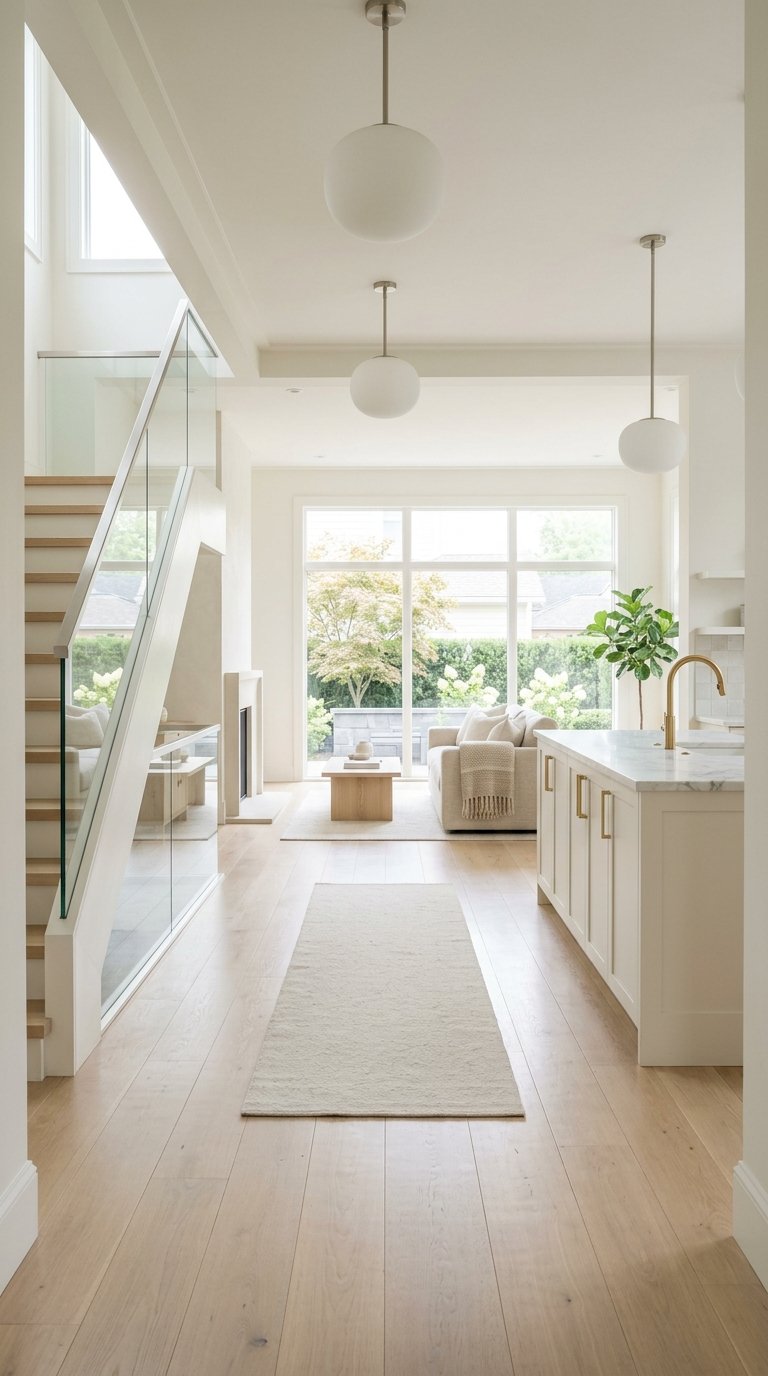
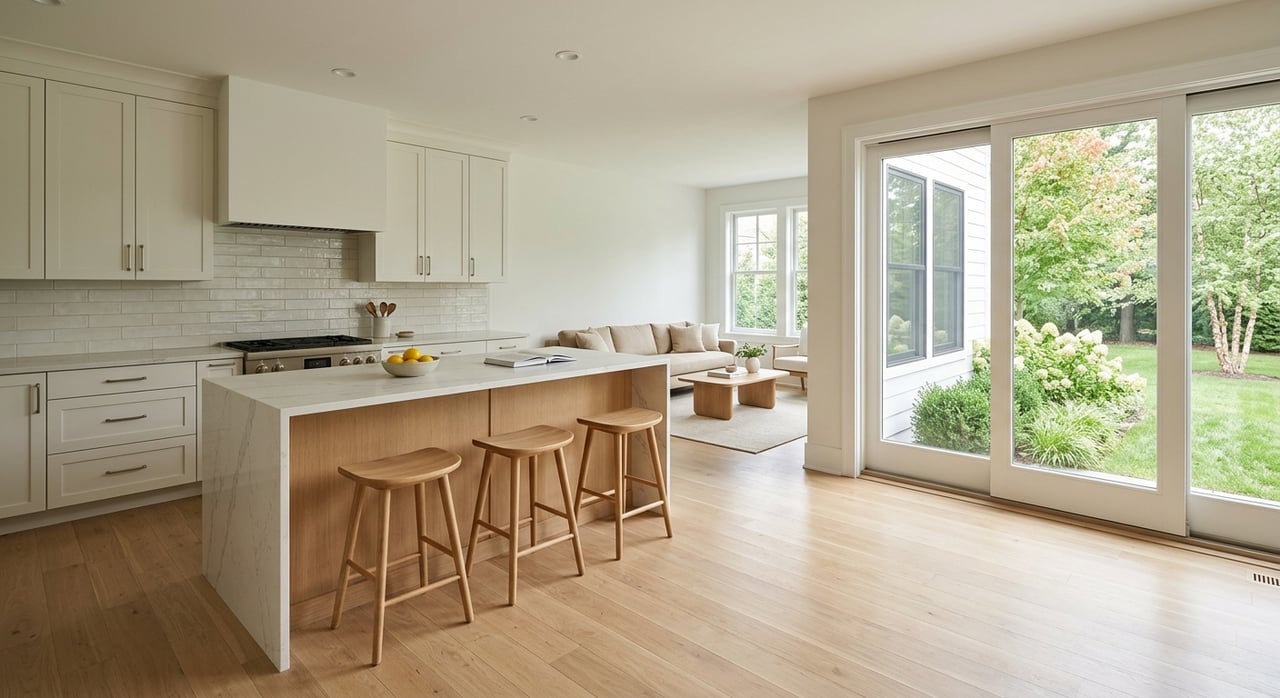
Open floor plans are the hallmark. Kitchen, dining, and living spaces connect for easy entertaining and family time. Larger windows and sightlines maximize natural light. Mid-century examples can be single-level or split-level, while newer contemporaries may span multiple levels with modern finishes and larger primary suites.
Newer contemporaries often include modern mechanicals and energy-efficient features. Mid-century homes may still benefit from upgrades to insulation, HVAC, and kitchens or baths. The open shell and straightforward forms typically make it easier to reconfigure spaces or integrate smart-home features.
Choose a Contemporary if you value open flow, natural light, and indoor-outdoor living. If you prefer flexible spaces that double as an office, playroom, or workout area, and a turnkey feel with modern systems, this style can be a strong fit.
The largest buyer pool for move-up homes in Winchester often prioritizes function over purist architecture. Bedrooms, yard usability, and proximity to schools and transit carry significant weight. Style still matters, but a functional layout and location usually win the day.
Both styles sell well when kitchens and baths are updated and systems are in good condition. A renovated Colonial with an open kitchen-family area can perform similarly to a Contemporary of comparable size and lot. Conversely, a dated home with a severely compartmentalized plan can linger on the market.
Neighborhood character also plays a role. Traditional exteriors may feel more at home on certain streets, which can support faster sales for attractive Colonials. Contemporaries thrive where modern homes are common or when their design and staging clearly convey benefits like light and flow.
Features that often raise price or shorten days on market:
Factors that can lower price or lengthen time on market:
There is no universal premium for Colonial over Contemporary in Winchester. Condition, updates, location, and buyer preferences determine outcomes. Authentic historic character can command a premium with the right buyer, while alterations that clash with a home’s original style can reduce appeal.
Pricing a Colonial should rely on like-era comps that match lot size and bedroom count, with careful adjustments for finished basements, garage placement, and flow improvements. Evaluate whether the kitchen and primary suite align with recent buyer expectations. If the home retains formal rooms, weigh how easily the plan could be opened.
Pricing a Contemporary should prioritize year built or renovation year, finish quality, energy and tech upgrades, and the caliber of the open-plan execution. Because comps can be less plentiful for unique modern designs, price-per-square-foot analysis should be tempered by functional differences in light, flow, and outdoor connections.
When you assess days on market, focus on the past 6 to 12 months and compare similar condition levels. Staging, photography, and clear positioning often make the difference between a quick sale and a second price reduction.
The following projects tend to be high impact for both styles:
Before exterior changes, confirm whether a property sits in a historic district or requires review. Local preservation processes can affect scope, costs, and timeline. Zoning setbacks and lot coverage rules also influence feasibility for additions, so verify options early in planning.
In Winchester, proximity to commuter rail stations, major routes, town center, and parks can influence both daily convenience and market response. For many buyers, access to public schools and town amenities is a key part of the decision. Consider walkability, yard usability, and the street’s architectural context as part of your long-term value analysis.
Start with your daily routine and the spaces you use most. If you host often and prefer one large gathering zone, a Contemporary or an opened-up Colonial may be ideal. If you like separate rooms for quiet work and formal dining, a Colonial’s defined plan can shine.
Use this quick checklist:
Choosing between Colonial and Contemporary in Winchester is as much about lifestyle as it is about resale math. A clear view of comps, condition, and likely buyer demand will help you decide where to stretch and where to hold firm. With a data-driven approach to pricing and hands-on guidance during renovations, staging, and timing, you can secure a home that fits your life and protects your investment.
If you are weighing options or preparing to sell, let’s build a plan tailored to your goals. Schedule a confidential consultation with Martha Sevigny to compare style-specific comps, discuss renovation scenarios, and map your best path forward in Winchester.
Stay up to date on the latest real estate trends.
Her skills in finance, attention to detail, and client satisfaction translate seamlessly to the benefit of her real estate clients.