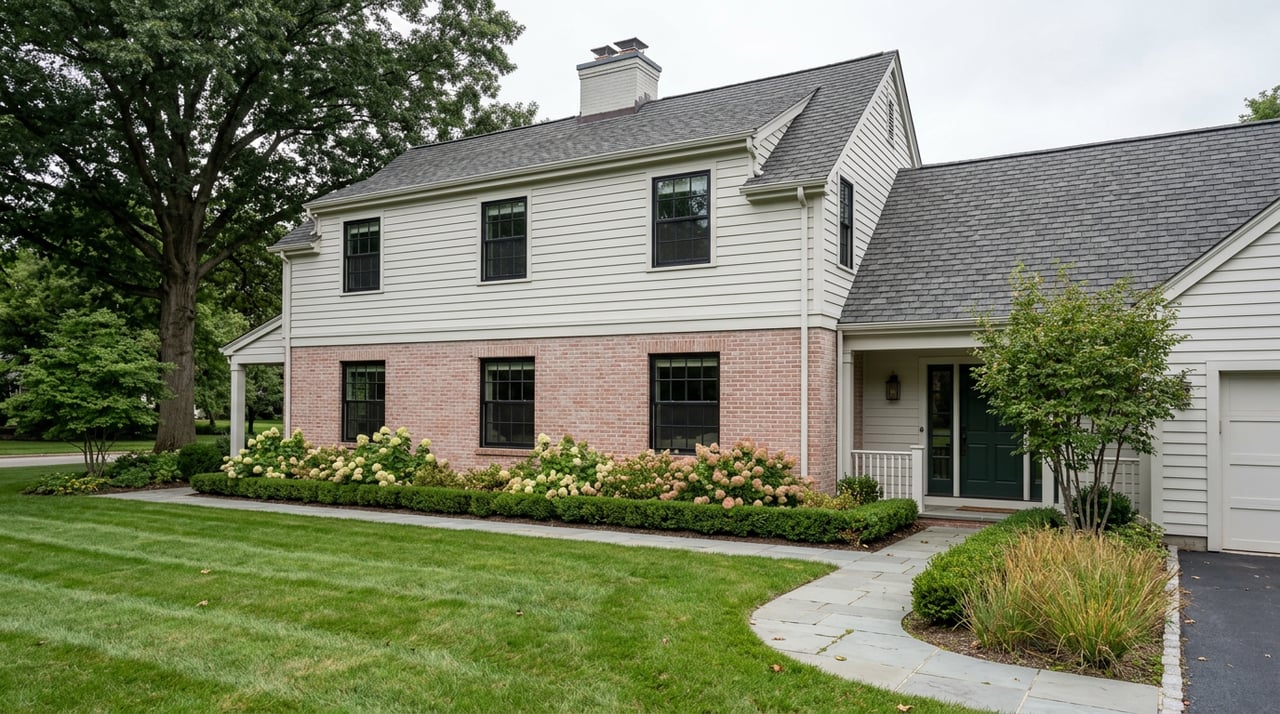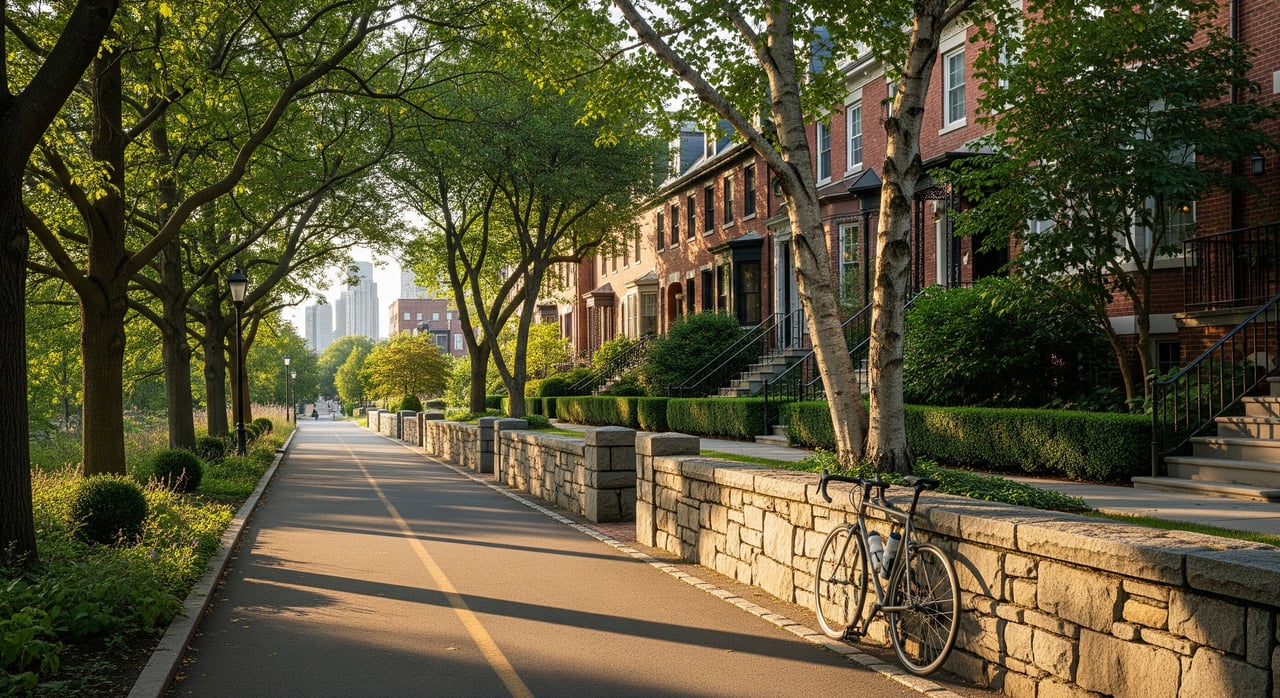
Thinking about a home a short walk from the Minuteman Bikeway? For many Arlington buyers, this paved rail-trail is a daily lifestyle upgrade that blends easy recreation with efficient access to the Red Line at Alewife. At the same time, you may be weighing privacy, seasonal activity, and how proximity could shape resale. This guide helps you evaluate the tradeoffs, plan smart due diligence, and position your home confidently. Let’s dive in.
Minuteman Bikeway basics
The Minuteman Bikeway is a paved, multi-use rail-trail that links the Alewife area of Cambridge with Arlington, Lexington, and Bedford. Cyclists, runners, and walkers use it for both recreation and commuting. It often serves as a low-car route to shops, cafés, parks, and transit.
Management and maintenance vary by municipality. Local public works departments set rules and handle repairs and snow removal for their segments, so conditions can differ by town. This matters in winter and when planning improvements nearby.
Access points that matter
Buyers often reference access near Alewife and the MBTA Red Line, Arlington Center, and the Lexington and Bedford endpoints. Some homes back directly onto the trail, while others are a short walk away. When comparing properties, use practical measures like linear feet to the trail edge, minutes to the nearest trailhead, or bike time to Alewife.
Seasonal patterns you will notice
Trail use peaks in spring through fall, with weekday commuting rushes and busy weekend mid-days. Winter use drops but can remain steady where towns plow. Because each municipality runs its own schedule, you may see clear pavement in one segment and packed snow in another.
Civic and historical context
The corridor follows an old rail alignment and passes near historic and natural sites. Local advocacy groups support upkeep and occasional programming. Town planning documents may include references to future safety improvements, widening, or new multimodal connections.
Everyday lifestyle benefits
Living close to the trail can enhance daily life in simple, meaningful ways. Common advantages include:
- Commute convenience with bike access to Alewife and bus connections.
- Easy exercise options without driving to a park or gym.
- A paved, predictable surface that works for kids’ bike practice and dog walking.
- A lively neighborhood feel near cafés, shops, and transit nodes.
If you want car-light living or flexible options for weekend family time, this corridor can be a strong fit.
Who values proximity most
You will see consistent demand from several buyer segments:
- Active commuters who bike to work or to transit hubs.
- Families who like access to a long, paved route for riding and walking.
- Downsizers and empty-nesters who prefer low-maintenance, walkable recreation.
- Lifestyle buyers, including fitness-focused residents and some long-term investors.
Features that amplify appeal
If you are buying or improving a home near the Bikeway, certain features can strengthen daily function and future resale:
- Secure bike storage, EV charging, and easy roll-in access for bikes.
- A mudroom, finished lower level, or gear-friendly entry for helmets and outdoor items.
- Landscaped patios and yards that feel private while keeping trail views or access.
- Durable, low-maintenance plantings that tolerate foot traffic at edges.
Privacy and noise: what to expect
Direct adjacency can bring more nearby activity. You may notice groups, cyclists, and dogs during warm evenings and weekends. Visual privacy can feel reduced for patios and rear yards that sit close to the trail edge.
Practical privacy solutions
- Plant dense native buffers and staggered hedgerows for year-round screening.
- Use fencing that meets local codes, including height and placement rules near trails.
- Add hardscape like raised beds, pergolas, or privacy screens to define outdoor rooms.
- Plan lighting that supports safety without spilling onto the trail.
Collaborate for consistency
Neighbors sometimes coordinate on boundary maintenance and screening so the edge reads intentional rather than piecemeal. You can also engage with municipal contacts and trail groups about signage, etiquette, and pet control reminders.
Due diligence for buyers and sellers
A clear paper trail prevents surprises later. Focus on these checks:
- Confirm property lines with a recent survey, especially where rail-to-trail easements exist.
- Review deeds and town records for easements, encroachments, or past disputes.
- Verify local rules on fencing, setbacks, and any signage near the right-of-way.
- Identify which municipality maintains the adjacent trail segment, plus plowing and repair plans.
- Ask about scheduled projects like widening or safety upgrades that could shift activity or temporarily affect access.
If safety is a concern, compare anecdotal feedback with recent local incident reports or police logs. Visit at different times to understand real noise and traffic levels.
Resale and pricing context
Proximity to the Bikeway is often a net positive for many buyers who value walkability and access. That said, market impact depends on your property’s specifics. Factors include whether your yard directly abuts the trail or sits behind a landscaped buffer, local privacy perceptions, street access and parking, and the current buyer pool.
In areas where active transportation is prized, closeness to the trail tends to help. Where seclusion ranks higher, direct adjacency can be a drawback. The best pricing strategy uses nearby comparable sales, notes which comps back to the trail, and adjusts for privacy upgrades and interior features.
Winter use and maintenance differences
Expect lower winter volumes, but usage varies based on plowing. Each town handles its own maintenance, so a cleared segment in one municipality may not match conditions in the next. If year-round use matters to you, confirm the plowing approach for the specific segment by your property.
Showing and marketing strategies for sellers
A thoughtful approach can set the right tone and attract the right buyer.
Prepare before listing
- Walk your property during weekday commute times and weekend mid-day to see typical activity.
- Tidy and define the trail edge with clear, well-kept buffers and trimmed plantings.
- Repair or replace fencing and confirm there are no encroachments.
Disclose with clarity
- Note trail adjacency in seller disclosures and include any easements found in title or survey work.
- Offer a short “trail fact sheet” with nearest access points, known maintenance responsibilities, and any scheduled projects or events.
- Provide a list of local services like parking areas and bike repair options.
Time showings and visuals wisely
- Avoid the busiest windows if privacy is a concern.
- Use wide-angle photos to convey short walking distance or direct access without overstating privacy.
- When buffers are strong, show how the yard functions as a private outdoor room.
- If the trail is your key amenity, include shots of bike storage and a simple map view of transit connections and bike-to-Alewife estimates.
Neutral, factual copy
- “Short walk to the Minuteman Bikeway and Alewife Red Line access.”
- “Backs to a landscaped buffer alongside the Minuteman Bikeway for easy access to miles of paved recreational trail.”
- “Easy bike commute to Alewife and local bus routes; secure bike-storage area in garage.”
- Avoid claims like “secluded” if the yard directly abuts the trail. Use accurate descriptors and refer buyers to photos and disclosures.
Quick checklist for buyers
- Measure distance to the nearest trailhead and bike time to Alewife.
- Confirm which municipality maintains the adjacent segment and its winter clearing approach.
- Ask about any encroachments or past disputes with the town.
- Speak with neighbors about typical noise and usage patterns.
- Review insurance with your agent to ensure standard coverage meets your needs.
Quick checklist for sellers
- Gather a recent survey, title documents, and any recorded easements.
- Identify municipal maintenance contacts and policies for your segment.
- Pull local comps that either back to the trail or sit one or two streets away to show context.
- Photograph the property at multiple times of day and on weekends.
- Note any neighborhood fencing or landscaping rules near the right-of-way.
How to decide if it is right for you
Start with your daily routine. If you value quick access to the Red Line, morning runs without driving, or a paved route for weekend family rides, proximity can be a meaningful upgrade. If you prioritize quiet patios above all else, focus on homes with stronger buffers or a slightly set-back position.
Then weigh the financials with local comps, noting trail adjacency and privacy improvements. Gather the right documents, verify municipal maintenance, and spend time on-site during busy and quiet windows. This approach gives you a realistic picture of life on the trail’s edge.
Ready to compare properties or position a listing with confidence? Connect with Martha Sevigny to review local comps, disclosures, and practical upgrades that maximize value. Schedule a confidential consultation.
FAQs
How visible is a backyard to Minuteman Bikeway users in Arlington?
- Visibility depends on yard layout and buffers. Confirm with a recent survey, on-site photos, and a walkthrough during busy hours to see real sightlines.
Who handles winter plowing on the Minuteman Bikeway near Arlington?
- Maintenance and snow clearing vary by municipality. Identify which town manages your adjacent segment and ask for its typical winter plan.
Do homes next to the Minuteman Bikeway sell for less in Arlington?
- Not inherently. Impact depends on buyer demand for access versus privacy, plus specifics like buffers, parking, and interior features. Use nearby comps to assess value.
Are there safety concerns on the Minuteman Bikeway in Arlington?
- The trail is well used and monitored locally. If you have concerns, compare neighborhood feedback with recent police logs for the immediate area.
Are Minuteman Bikeway events likely to affect access or noise?
- Occasional community rides or runs occur. Check municipal and trail-group calendars for event timing so you can plan around peak periods.