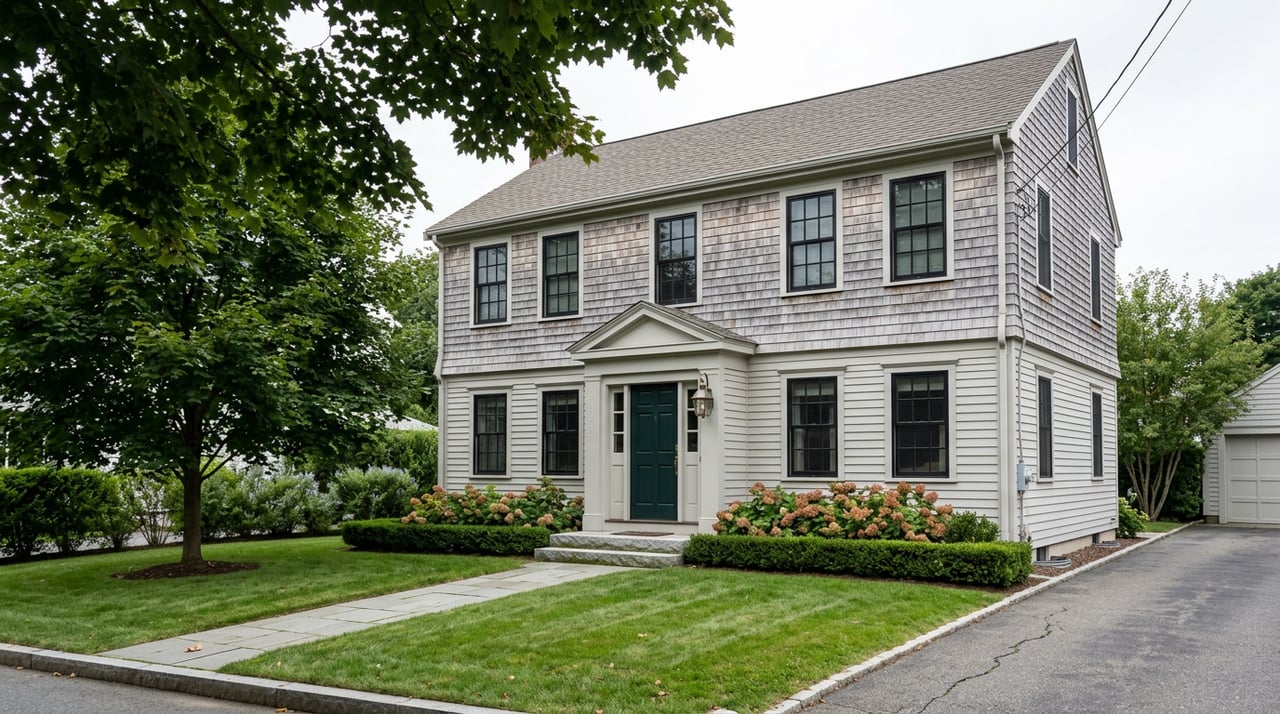
Seeing some Bedford listings fly off the market while others linger for weeks? You are not alone. Days on Market, or DOM, is one of the clearest signals buyers and sellers can use to gauge interest, pricing, and timing. In this guide, you will learn what DOM really measures, how to read it alongside price changes, and what it means in Bedford and the Cambridge–Newton–Framingham corridor. Let’s dive in.
What is Days on Market?
Days on Market (DOM) is the number of calendar days a property is actively listed for sale until it goes under contract, is removed, or sells. It shows how long the market has had access to the listing.
Two related terms often appear alongside DOM:
- Cumulative DOM (CDOM): Adds up days across multiple listing events for the same property. This helps you see relistings that would otherwise reset DOM.
- Time on portal: Consumer sites show how long a listing has been visible on that site. This can differ from MLS DOM if a listing was syndicated later or paused.
Why numbers differ
MLS rules vary on when DOM resets. Some systems continue the count if a home is withdrawn and relisted, while others reset after an off‑market period or a new MLS number. Portals may display the first day the listing appeared on their site rather than MLS history. For Bedford, the listing agent’s MLS report and full property history are the authoritative sources for DOM.
What DOM signals for you
DOM is a signal, not a diagnosis. Market supply, seasonality, mortgage rates, and nearby competition all shape what a number means. Use these rules of thumb as a starting point:
- 0–14 days: Fresh listing. In active markets, expect more competition. Sellers often see the most traffic during this window.
- 15–45 days: Testing phase. If showings and feedback are weak, it may be time to adjust price, presentation, or marketing.
- 45–90+ days: Risk of a “stale” perception grows. Buyers may assume flexibility. Sellers should review pricing, condition, and strategy.
Buyer takeaways
- High DOM can be leverage for price reductions, credits, or flexible timelines.
- Check full listing history to spot relistings or gaps that could mask true exposure time.
- Consider timing: a listing that spans holidays or deep winter might reflect seasonality more than flaws.
Seller takeaways
- Expect questions about time on market. Be ready to explain pricing, repairs, and marketing changes.
- If DOM climbs, consider a price adjustment, improved staging and photography, repairs, or a targeted relaunch plan based on MLS rules.
- Measure results in defined intervals, not by the day. Many agents reassess after 30 days if interest is low.
Reading DOM with price changes
DOM rarely tells the whole story on its own. Price movements add important context.
- Early reduction (7–21 days): Often a quick correction if initial interest is soft.
- After 30–45 days: Suggests the first full marketing cycle did not land a buyer.
- Multiple reductions over 60–120 days: Signals growing seller motivation and can shape buyer negotiation.
How buyers can respond
- A single, modest drop can be a tune‑up. Multiple reductions are a stronger signal to sharpen your offer terms.
- Align your offer timing with market rhythm. Reductions near school‑year milestones or holidays may open windows for favorable terms.
How sellers can respond
- Use showing feedback to decide between a strategic price change and targeted updates.
- If your best buyers are missing key features, consider focused improvements or pricing to reflect condition.
- Relisting can make a home appear “fresh” on some portals, but the historical record is often visible. Confirm rules with your agent before any reset.
Bedford market context
Bedford sits near major employment hubs along Route 128 and the Cambridge–Newton–Framingham corridor. Proximity to commuter routes, area schools, and suburban amenities supports steady demand for single‑family homes.
- Inventory sensitivity: Smaller towns can have thin supply in certain price bands. A single new listing or sale can shift how buyers see value and affect DOM.
- Seasonality: Spring is typically the most active season in Greater Boston. Homes launched in late winter or early spring often see lower DOM than those listed in late fall or winter.
- Rates and affordability: Higher mortgage rates generally reduce the buyer pool, which can lengthen DOM. When rates ease, DOM can shorten as demand picks up.
How to verify a listing’s true DOM
To get the full picture for a Bedford property, use these steps:
- Ask your agent for the complete MLS listing history, including DOM and CDOM.
- Compare MLS DOM to the “time on site” shown on consumer portals. Note any gaps or relistings.
- Review recent comparable sales in the same neighborhood and price range, including each comp’s DOM and price‑change path.
- Confirm sale dates through county records if needed. Deed records do not show DOM, but they verify timing of past sales.
Bedford examples that bring DOM to life
These scenarios are hypothetical but realistic for Bedford and nearby Middlesex County communities.
Example A: Properly priced, strong demand
Listed at $900,000, heavy weekend traffic, offer at list price in 10 days. DOM = 10. Buyers face competition and limited negotiation beyond inspections. Sellers can feel confident in pricing and presentation.
Example B: Slightly high price, reductions follow
Listed at $999,000 with light showings. No offers in 35 days, reduced to $949,000. Interest improves but not enough, reduced to $919,000 at day 70, sale at $910,000 at day 85. DOM = 85. Buyers gain leverage as reductions signal motivation. Sellers learn that starting above buyer expectations can extend time on market and lower net.
Example C: High DOM for non‑price reasons
A listing shows 120 days but needs major updates, had limited access, or spanned off‑season months. Buyers should factor improvement costs into offers. Sellers can mitigate by addressing key repairs or pricing to reflect condition and timing.
Smart next steps
- Use DOM as one input, not the only measure. Pair it with price history, showing feedback, and neighborhood comps.
- Set expectations by season. Spring often rewards well‑priced homes with lower DOM, while late fall and winter can require patience or sharper pricing.
- Decide on clear checkpoints for adjustments. Many sellers review results after 2 to 4 weeks, then again around day 30 to 45.
If you want a precise read on DOM for your Bedford home or a property you are considering, let’s look at the full MLS history and the latest neighborhood comps together. For concierge‑level guidance and a data‑driven plan to buy or sell with confidence, connect with Martha Sevigny.
FAQs
What does Days on Market mean in Bedford real estate?
- DOM is the count of calendar days a home is actively listed until it goes under contract, is removed, or sold. It helps you gauge buyer interest and pricing fit.
How is MLS DOM different from “time on site” on portals?
- MLS DOM tracks active days in the MLS. Portals show how long the listing has appeared on their site, which can differ if the listing was syndicated later or paused.
What is considered a “good” DOM in spring?
- In many Greater Boston suburbs, fresh, well‑priced spring listings often go under contract within the first two weeks. Always compare to current neighborhood comps.
How do price reductions change buyer leverage?
- One small drop may be a tune‑up. Multiple reductions over 60–120 days often signal motivation, opening room for price, credits, or flexible terms.
How can I confirm the true exposure time for a home?
- Ask your agent for the full MLS history, check CDOM, compare to portal time on site, and review recent local comps with their DOM and price paths.
Do mortgage rates affect DOM in Middlesex County?
- Yes. Higher rates typically shrink the buyer pool and can lengthen DOM. When rates ease, demand can rise and DOM often shortens.