The Line You Can't See on the Listing: Lexington's Two Markets for Older Homes
September 17, 2026
September 17, 2026
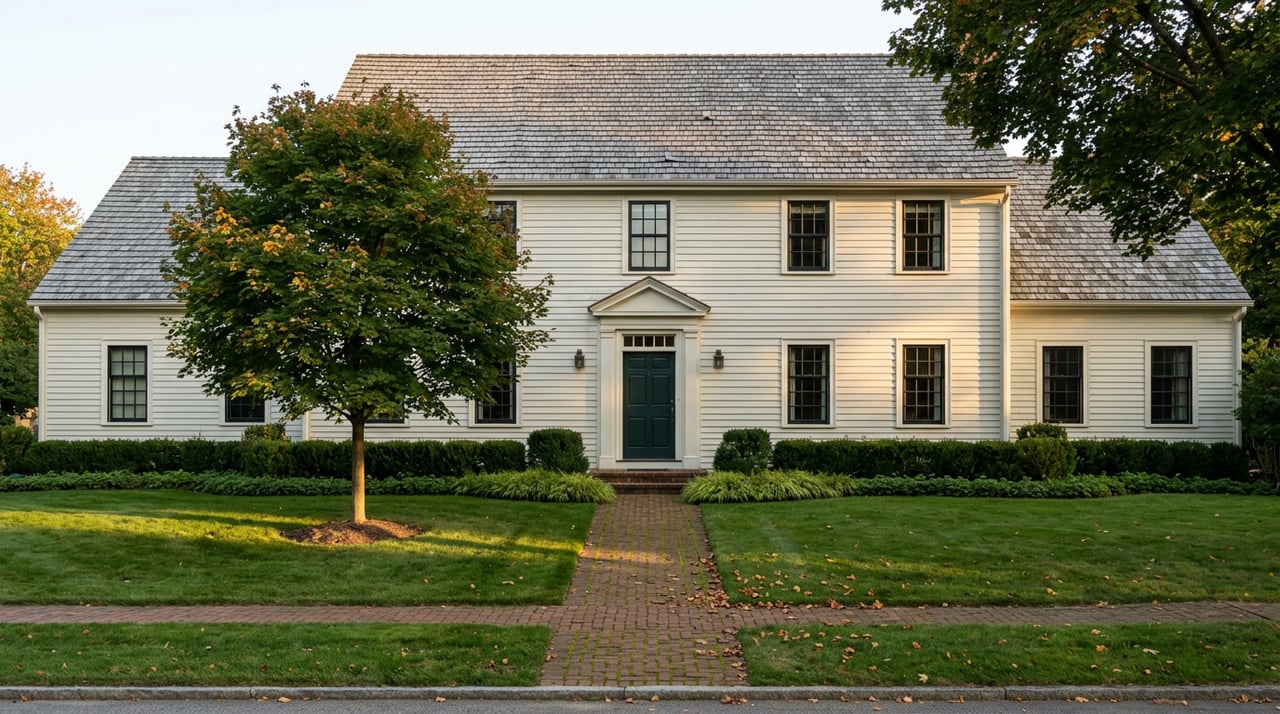
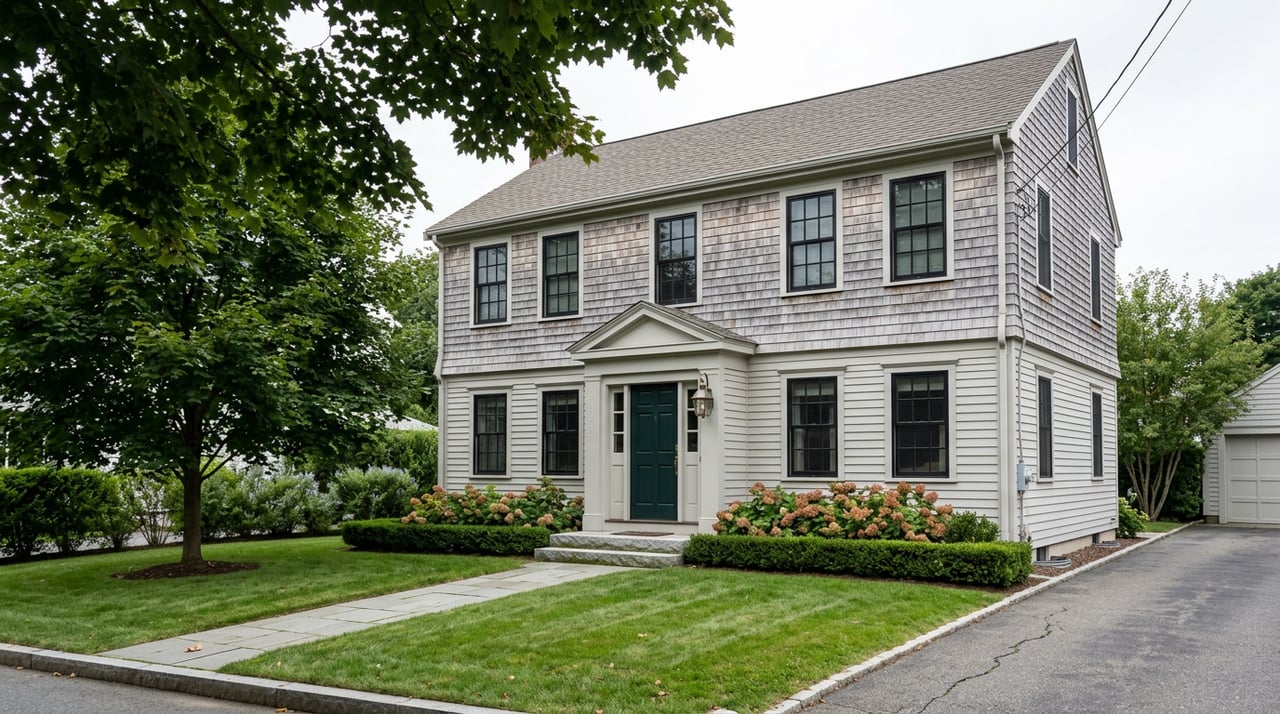
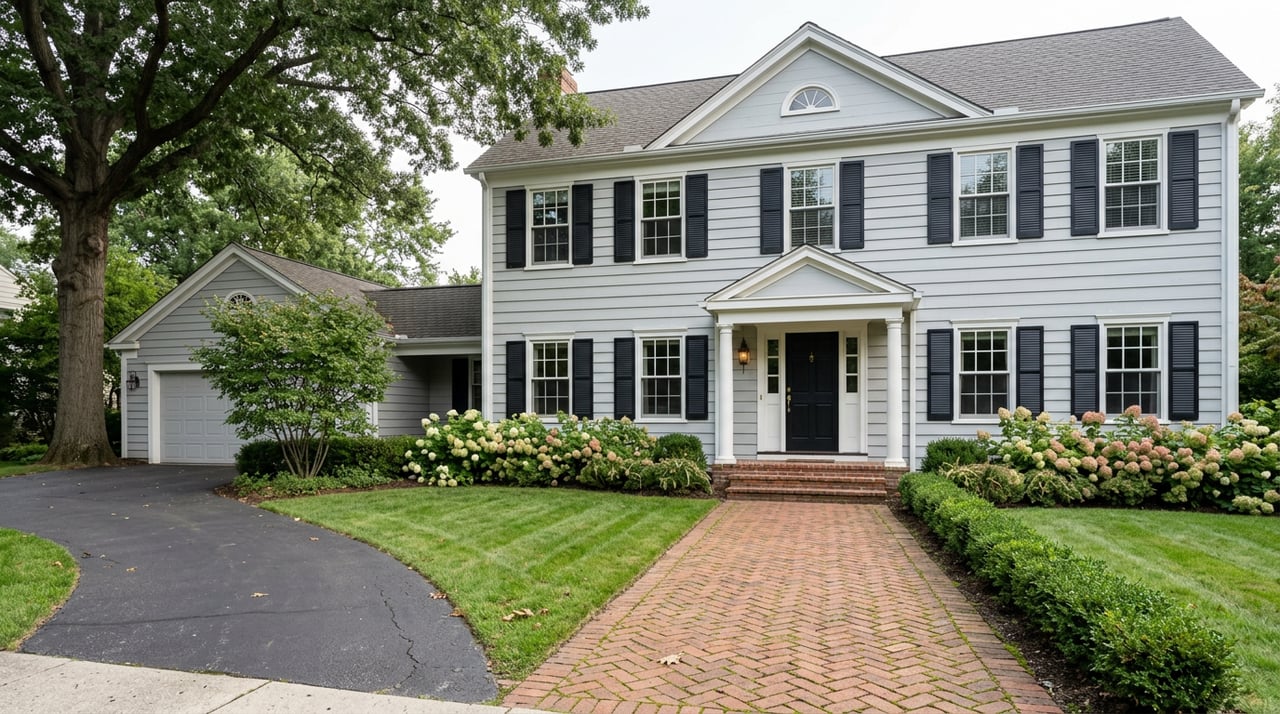
A buyer touring two 1920s colonials on the same Lexington block last spring assumed they were shopping in the same market. Same era, same roofline, same worn hardwood underfoot. One house sold in ten days to a family who gutted the kitchen and kept everything else. The other sat for months, then went to a builder who pulled the permit to knock it down. Nothing about the curb appeal explained the difference. The explanation was a boundary line that doesn't show up on a listing photo, a real estate agent's flyer, or most buyers' radar until an offer is already in.
That line runs through Lexington's Historical Commission and its companion Historic Districts Commission, and it splits what looks like one category of home, the older single-family colonial or cape that dominates the town's housing stock, into two markets that behave almost nothing alike.
Lexington's Historical Commission has documented more than 1,400 historic resources across town since the 1970s, and roughly 2,000 individual properties sit inside one of the town's local historic districts. That is a meaningful share of Lexington's housing stock, and none of it is flagged with a badge on a real estate photo. A buyer has to know to ask.
The distinction matters because two separate town bodies can pull a house into review, for two different reasons. The Historical Commission administers the demolition delay bylaw, which applies to any building on the town's Comprehensive Cultural Resources Survey, the informal "Inventory," whether or not that building sits inside a mapped district. Separately, the Historic Districts Commission has exclusive authority over Lexington's four local historic districts, Battle Green, East Village, Hancock-Clarke, and Munroe Tavern, reviewing exterior construction, demolition, renovation, color changes, and signage on anything visible from a public way.
A house can trigger one of these reviews, both, or neither. An 1890s farmhouse well outside any mapped district can still land on the Inventory and face a demolition hearing. A 1960s ranch inside the Munroe Tavern district boundary can face exterior review on a garage addition even though nobody would call it "historic" in conversation. Age and appearance are a poor proxy for which rules actually apply.
Here is where the split shows up in the numbers. A look at what is currently listed and what recently traded inside Lexington's mapped historic districts, as of mid-September 2026, tells a story of scarcity: only a handful of homes come up for sale at any given time, and the ones that do move fast and draw a stack of competing offers, often twenty or more, closing in a week and a half rather than a month. Compare that to the wider pool of older, "vintage" Lexington homes not filtered by district status, which sit on the market roughly three times longer and draw a fraction of the offers.
That gap is not what you would predict if you assumed regulatory review scares buyers off. It does the opposite. Because so few historic district homes change hands, and because the buyers who want one are specifically looking for character, original woodwork, a documented connection to the town's colonial and revolutionary history, competition concentrates hard on the few that appear. The review process does not shrink demand. It shrinks supply, and shrunk supply against steady demand is what produces a bidding war.
Outside the mapped districts, a different market takes over entirely, one where the house itself barely factors into the price.
Ask a Lexington broker why so many older homes on non-historic lots get replaced with something two or three times the size, and the answer usually comes back to a number rather than a preference. As one broker put it to the Lexington Observer in 2025, describing the lots that change hands for redevelopment: "Most teardowns in Lexington are priced between $1 million and $1.5 million so developers have no choice but to put up a big house."
That price band sits well below what Martha's typical buyer is shopping for in a finished, move-in home, and that gap is the point. A $1.2 million older home outside a historic district or survey listing is rarely being valued as a house. It is being valued as a buildable lot, and the math that follows from land at that price, once a builder adds construction cost and margin, tends to point toward a large new colonial or contemporary rather than a modest addition. That dynamic is visible in developer Todd Cataldo's Linc Cole Lane project off Pleasant Street, a cluster of nine multi-million dollar new-construction homes and three condos built on land that started out as ordinary older housing stock. Nothing about that transaction ran through the Historical Commission, because nothing on that land was flagged as significant.
So the same $1.2 million entry price can mean two very different things depending on which side of the line a house sits on. Inside a district or on the Inventory, that price buys a house you are expected to work with, on the town's timeline. Outside it, that price often buys dirt.
For anyone who does end up with a house on the Inventory or inside a district, the mechanics are specific enough to plan around. The demolition delay bylaw imposes a wait of up to 21 months before a significant building can be torn down, shortened to 12 months if an approved site plan review is already in place. That clock exists to give the Commission time to look for a buyer willing to preserve the structure, not to block demolition outright, but it changes the carrying cost calculation for anyone who bought expecting a fast teardown-and-rebuild timeline.
Inside the four historic districts, the review runs on a different track entirely and never really ends. A public hearing on Percy Road in the Munroe Tavern district this past June, over a proposed set of exterior changes, is a routine example of the kind of case the Historic Districts Commission handles most months. It is not a one-time hurdle at purchase. It is a standing condition of owning the house, applying to a repainted trim color or a replacement window as much as to a full addition.
Neither review is designed to be punitive, and in practice most applications move through without controversy. But a buyer who prices a renovation budget assuming a standard building permit timeline, then discovers a required hearing cycle or a multi-month delay window, is working from the wrong set of assumptions.
Does a house have to look historic to be covered? No. Being on the Cultural Resources Survey depends on documented significance, not visible age or style, and being inside one of the four districts depends on a mapped boundary, not the house's appearance.
Can you still add on to a house inside a historic district? Often, yes. The Historic Districts Commission reviews changes visible from a public way. Additions and updates that respect the district's character are common outcomes, not automatic denials.
Does this status show up anywhere a buyer would normally look? Not reliably. It is worth asking the listing agent directly and checking with the town rather than assuming the MLS sheet would mention it.
If you are weighing an older Lexington property, whether it is a renovation project, a candidate for a larger rebuild, or a home you are getting ready to sell, the line between these two markets changes what a fair offer looks like and what a realistic timeline looks like. Martha Sevigny has spent more than two decades reading Lexington's older housing stock this closely. Schedule a confidential consultation to talk through where a specific property sits before you write the offer.
Stay up to date on the latest real estate trends.


Her skills in finance, attention to detail, and client satisfaction translate seamlessly to the benefit of her real estate clients.